Charles Dickens 1812 – 1870
Biography
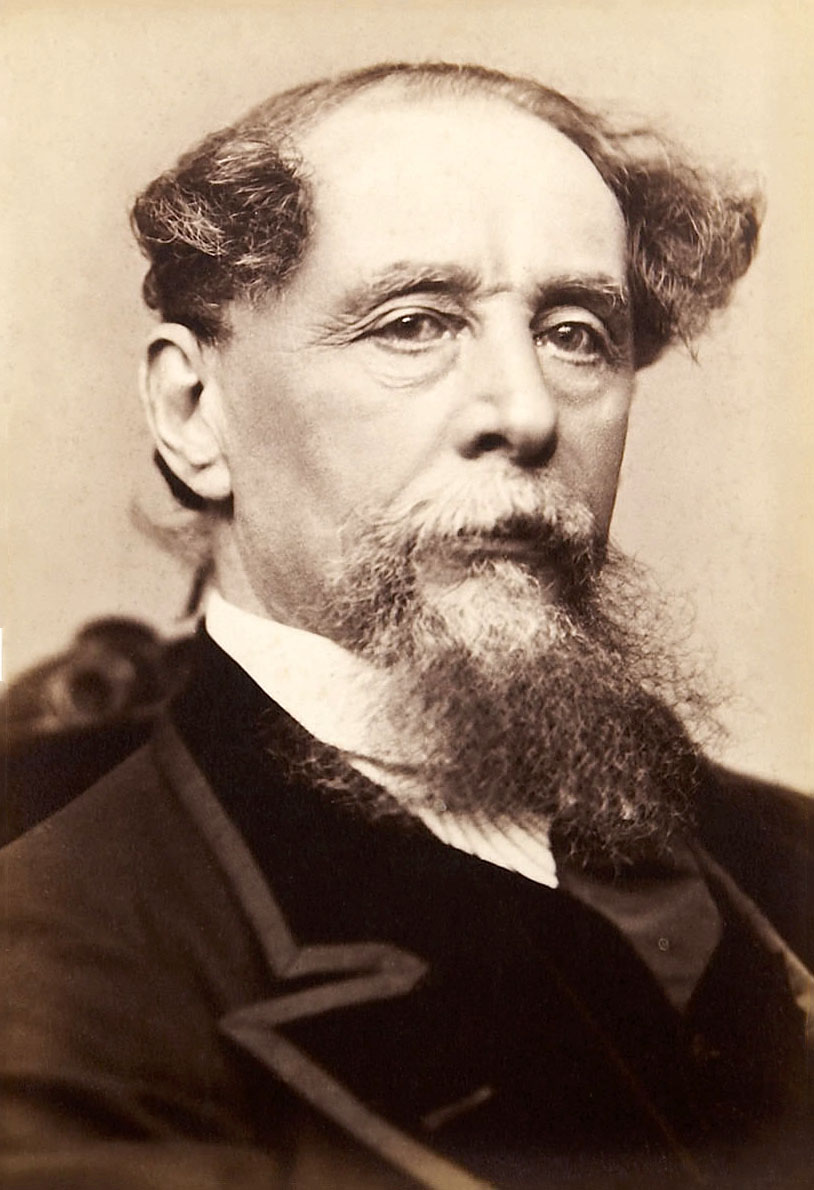
Charles Dickens didn’t just write novels—he weaponized storytelling against injustice. Born into hardship in 1812, he transformed personal struggle into literary fuel, creating unforgettable characters that exposed Victorian society’s darkest corners. His novels weren’t escapism; they were indictments. Readers across every social class devoured his work, finding themselves in Oliver Twist’s desperation, Scrooge’s redemption, and Pip’s ambitions. Dickens proved that literature could move millions while challenging the powerful.
For nearly five decades, Dickens dominated the literary landscape with a vivid intensity few could match. His gift wasn’t just for plot—it was for making readers feel the weight of poverty, the sting of exploitation, and the possibility of human transformation. He became more than a novelist; he was a moral voice that shaped how his era understood itself.
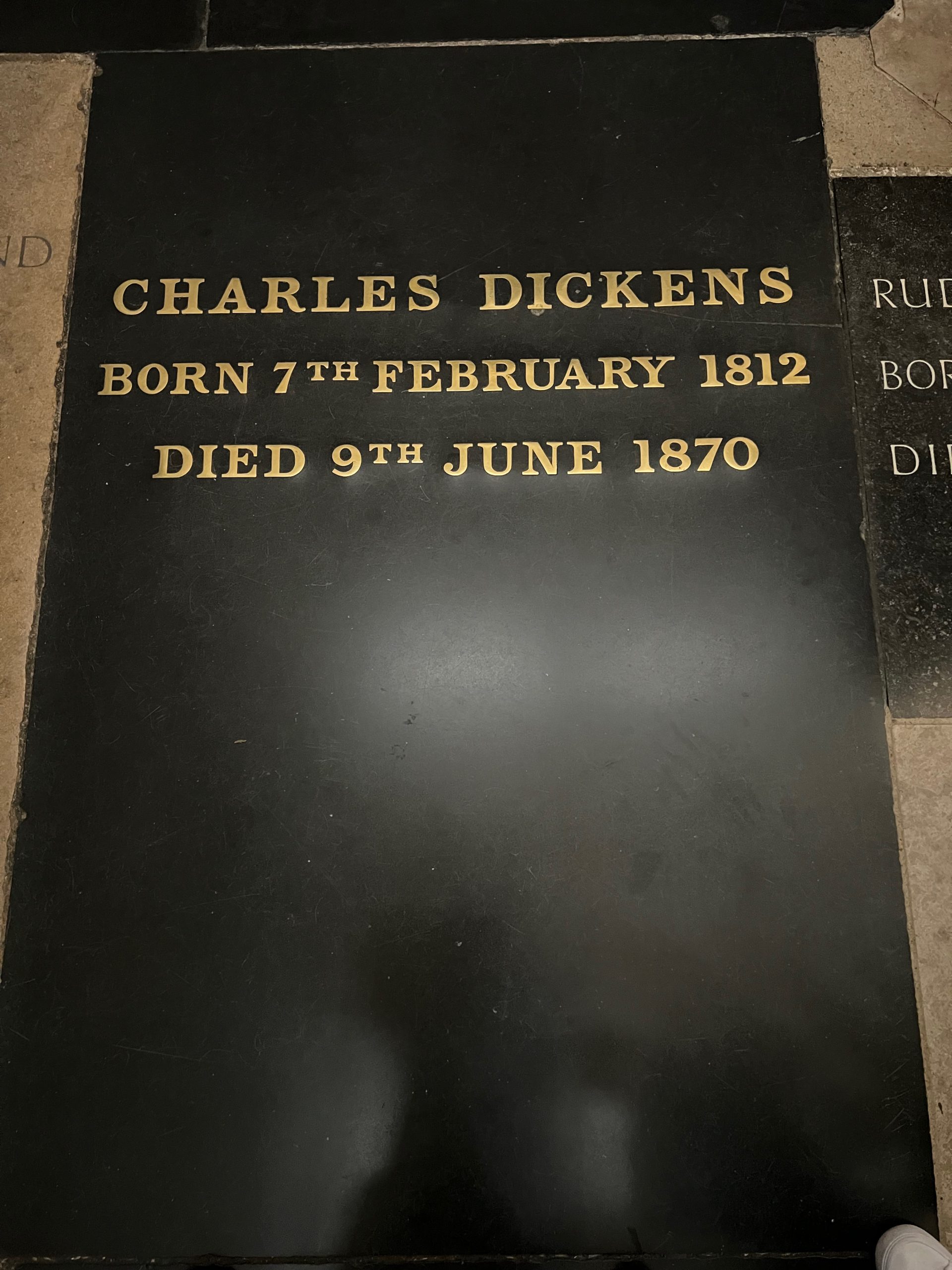
When Dickens died of a cerebral hemorrhage on June 9, 1870, England lost its greatest social conscience. Westminster Abbey claimed his body, but his legacy transcended marble monuments. Every character he created, every injustice he exposed, became permanent fixtures in the culture. Dickens proved that a storyteller’s pen could reshape the world.
More Images
Cemetery Map
View larger map →Satellite overview of the cemetery grounds.