Jacques Cartier 1492 – 1557
Biography
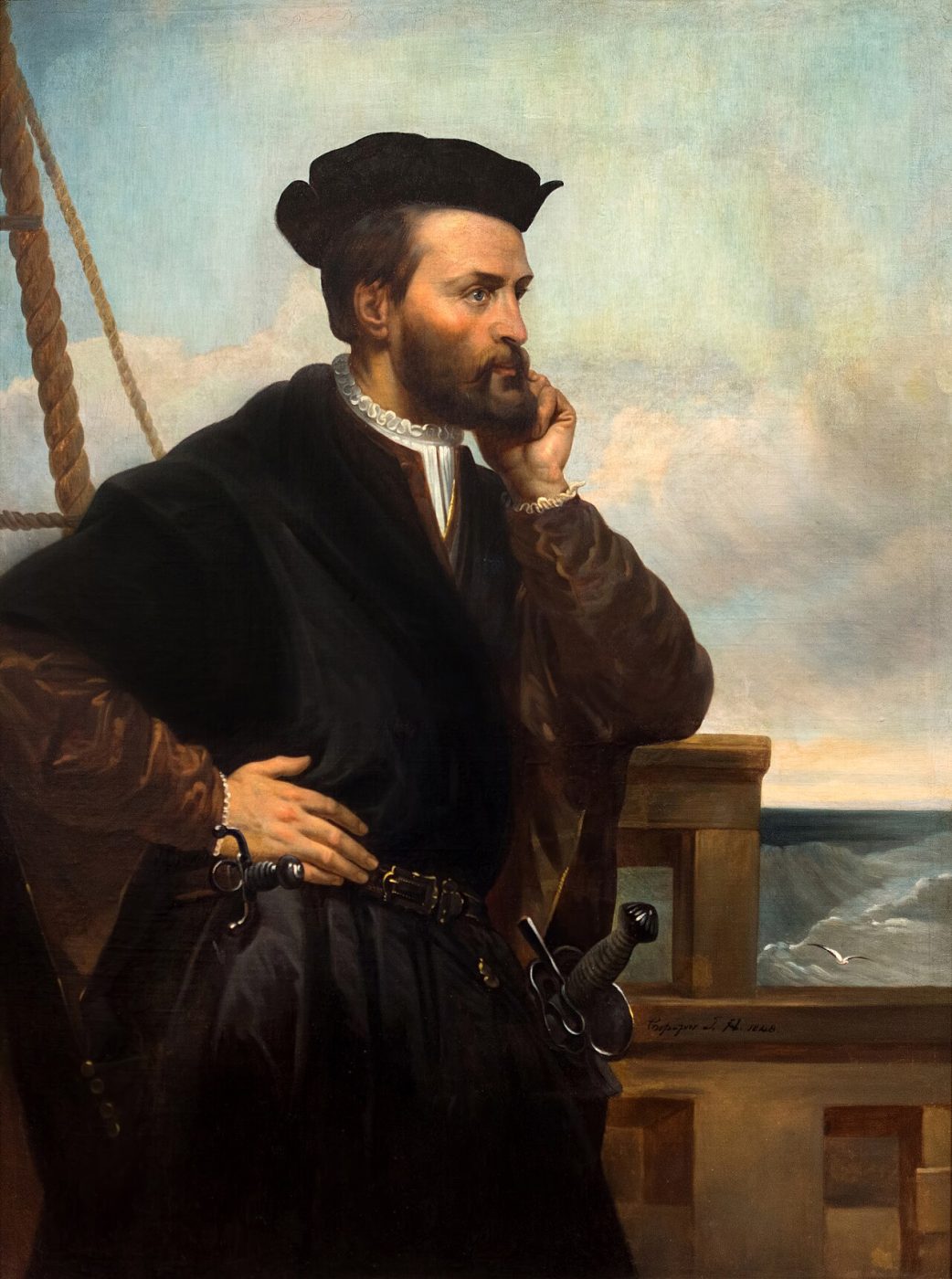
Born into the salt-spray world of Brittany in 1492, Jacques Cartier became the maritime explorer who rewrote European maps of North America. This Breton navigator’s voyages across the Atlantic unlocked a continent, transforming geographical knowledge and opening pathways for trade that would reshape the geopolitical landscape for centuries. His meticulous charts and keen observations became essential documents of the Age of Exploration, cementing his status as one of history’s most consequential seafarers.
Cartier’s expeditions ventured into uncharted waters with the precision of a man born to the ocean. His discoveries didn’t just satisfy geographical curiosity—they fundamentally shifted how Europeans understood the world’s scope and possibility. Every voyage added layers to the map, every observation enriched the period’s understanding of distant lands and their potential.
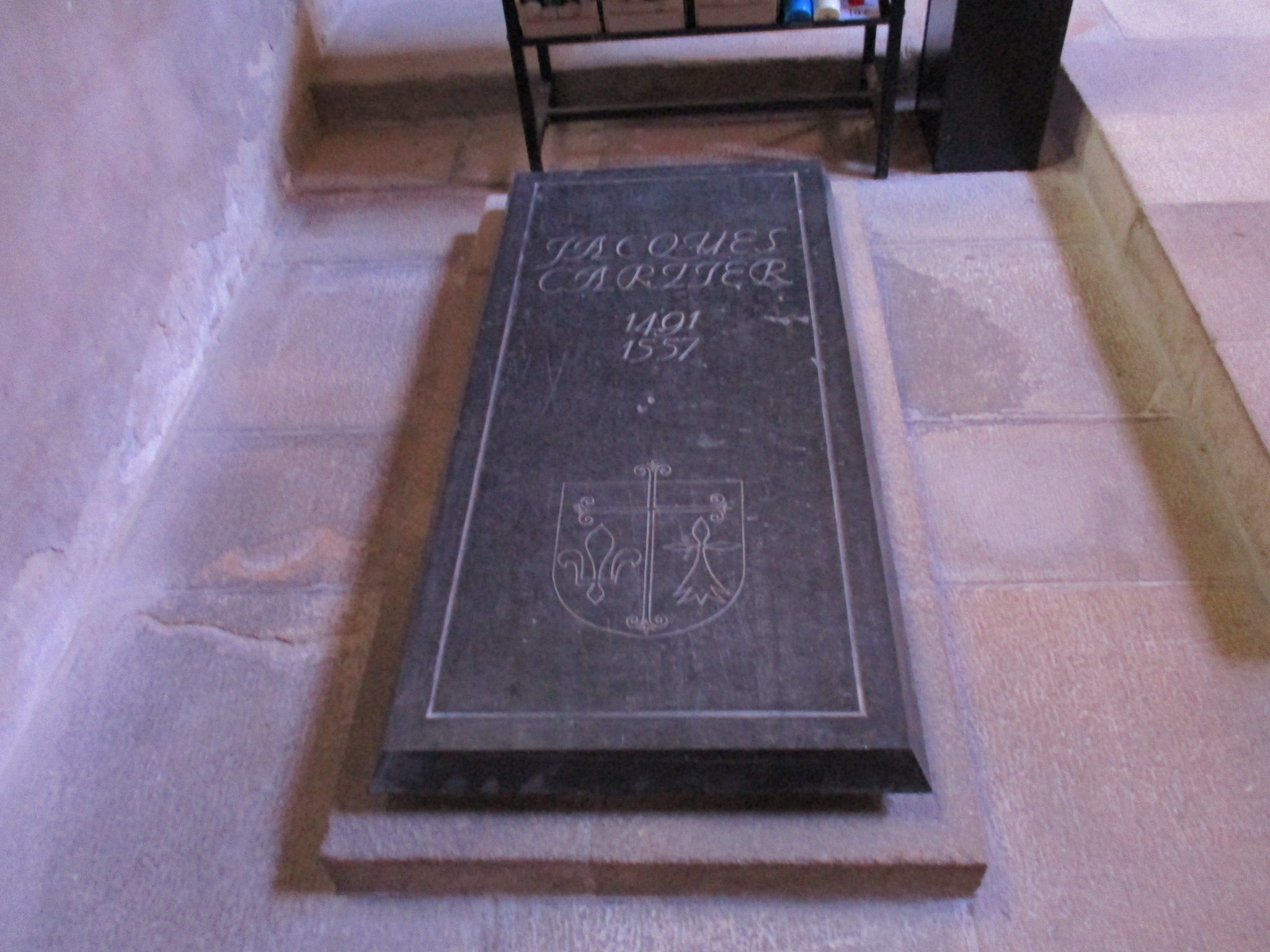
The plague that swept through sixteenth-century Europe claimed Cartier on October 4, 1557, in his native Rothéneuf. His final resting place at Saint-Malo Cathedral honored a life spent charting the unknown. Though his body returned to Breton soil, his legacy sailed on—the explorer’s name forever linked to the discovery and documentation of a new world.
More Images
Cemetery Map
View larger map →Satellite overview of the cemetery grounds.