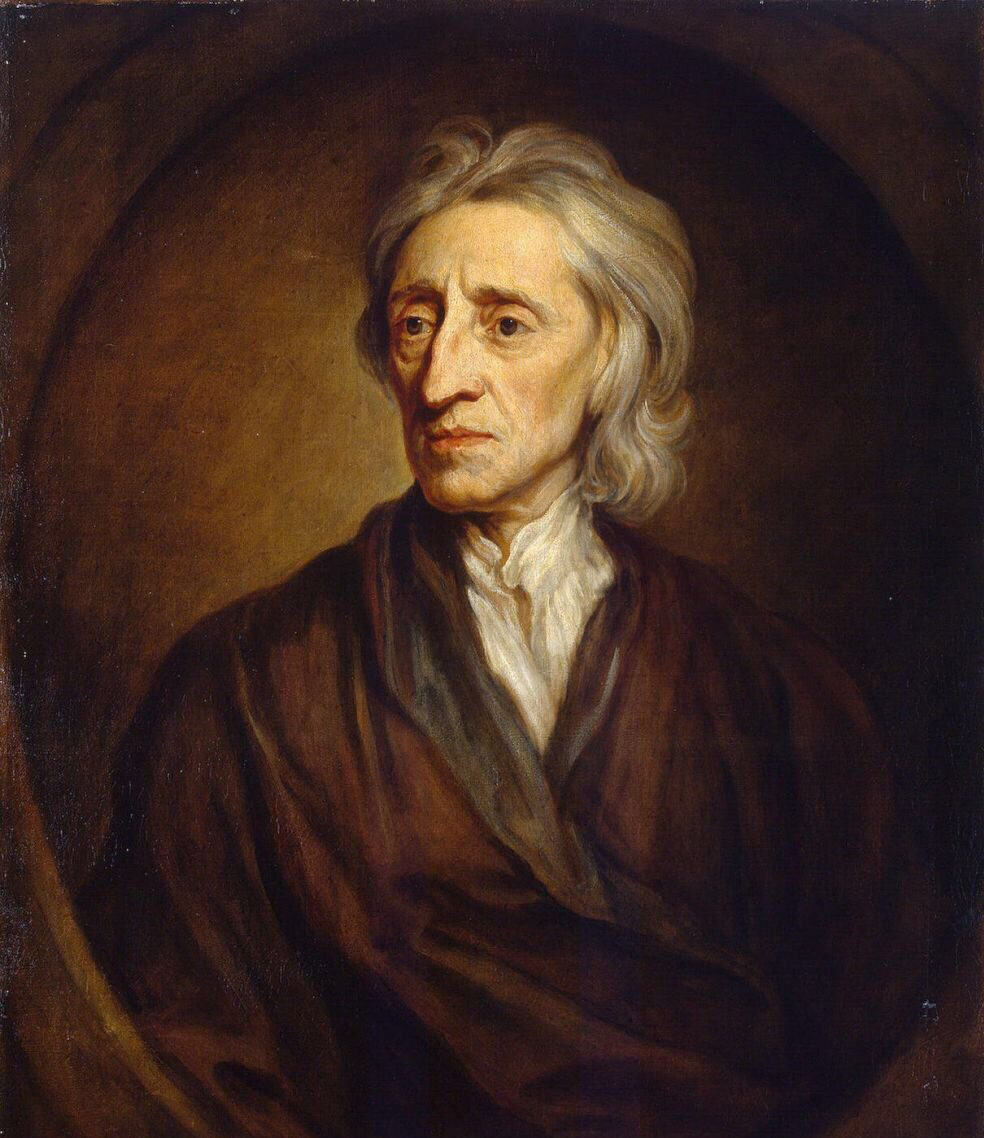
John Locke 1632 – 1704
Biography
The philosopher who rewired how the Western world thinks about knowledge, John Locke arrived in 1632 as a Somerset boy destined to become intellectual royalty. He blazed a revolutionary trail by refusing to pick a lane—Locke commanded both medicine and philosophy with equal brilliance, treating patients’ bodies while interrogating the very nature of human understanding itself. This rare fusion of hands-on empiricism and abstract theorizing made him utterly singular among seventeenth-century thinkers.
Locke’s genius lay in asking deceptively simple questions that cracked open entire worldviews. How do we actually *know* things? Where does understanding come from? His answers—grounded in observation rather than dusty tradition—launched a philosophical earthquake that would shape Enlightenment thought for centuries. By weaving his medical practice directly into his philosophical work, he proved that rigorous thinking required both the laboratory and the study.
The man who taught the world to think empirically died quietly on November 8, 1704, in High Laver, where he’d retreated to continue his life’s work. His grave in All Saints Churchyard holds a revolutionary whose true monument stands invisible—it’s written across every modern institution built on reason, observation, and individual thought. Locke didn’t just theorize about enlightenment; he architected it.
More Images
Watch John
Cemetery Map
View larger map →Satellite overview of the cemetery grounds.