Ibn Khaldun 1332 – 1406
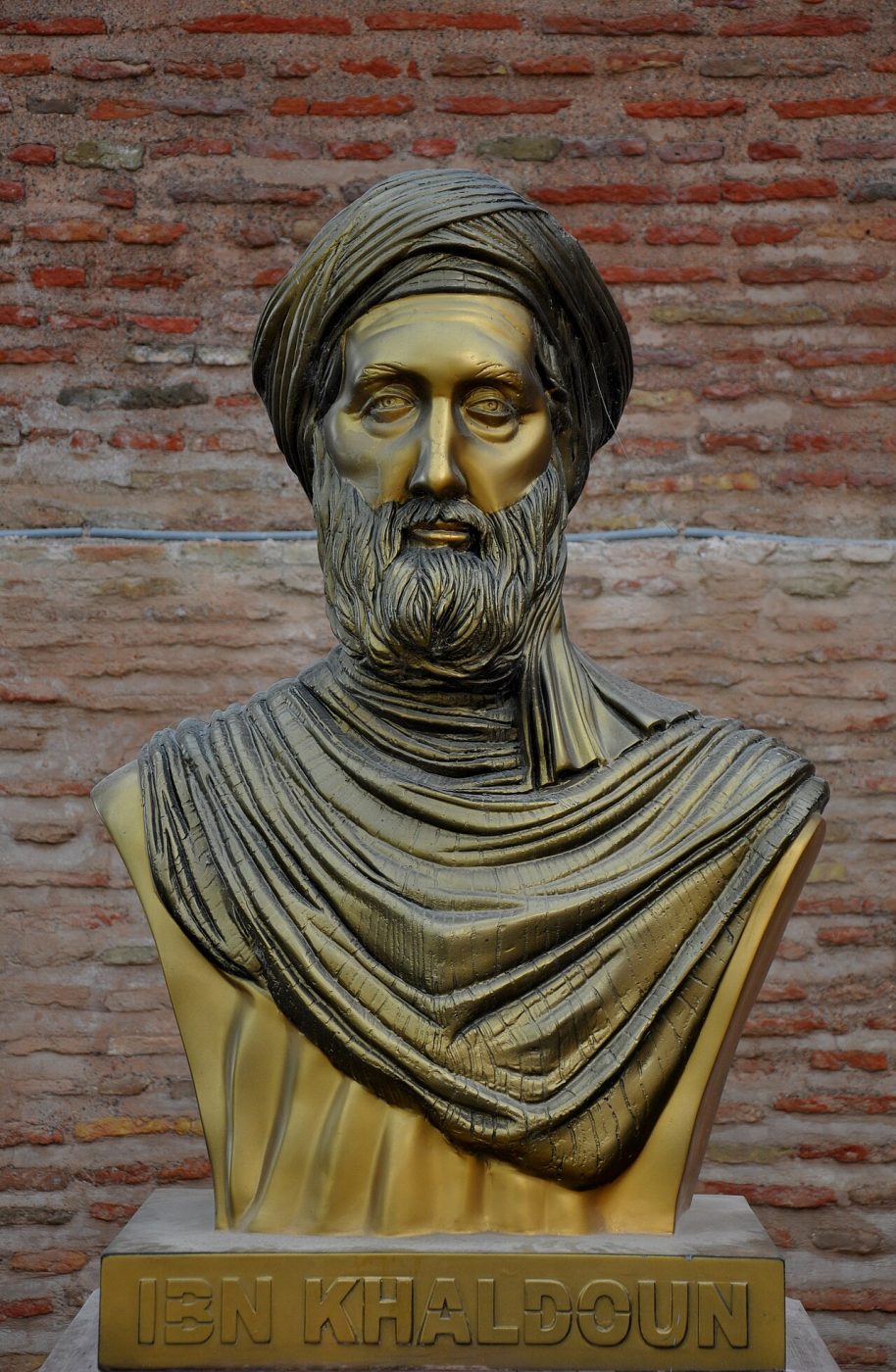
Biography
Ibn Khaldun burst onto the medieval intellectual scene as historiography’s revolutionary—the thinker who decided history needed a scientific spine. Born in Tunis in 1332, he refused to accept historical narratives at face value, instead pioneering rigorous analytical methods that distinguished documented fact from legend. His approach was radical: treat the past like data, not folklore. This wasn’t just scholarship; it was intellectual rebellion.
What made Khaldun legendary was his refusal to play it safe. While chroniclers simply recorded what kings did, he asked *why*—examining the patterns, principles, and social forces that actually drove civilization. His methodology was so ahead of its time that scholars centuries later would recognize him as the godfather of modern historical analysis. He brought philosophical depth to archival work, transforming the field from dusty record-keeping into genuine intellectual inquiry.
By the time Khaldun settled in Cairo for his final years, his reputation was cemented. He’d spent seven decades reshaping how humanity understood its own past, establishing frameworks that would influence scholars for generations. When he died in 1406 at seventy-four, he left behind an intellectual legacy that proved more enduring than any empire—a blueprint for thinking critically about history itself.