William IV 1765 – 1837
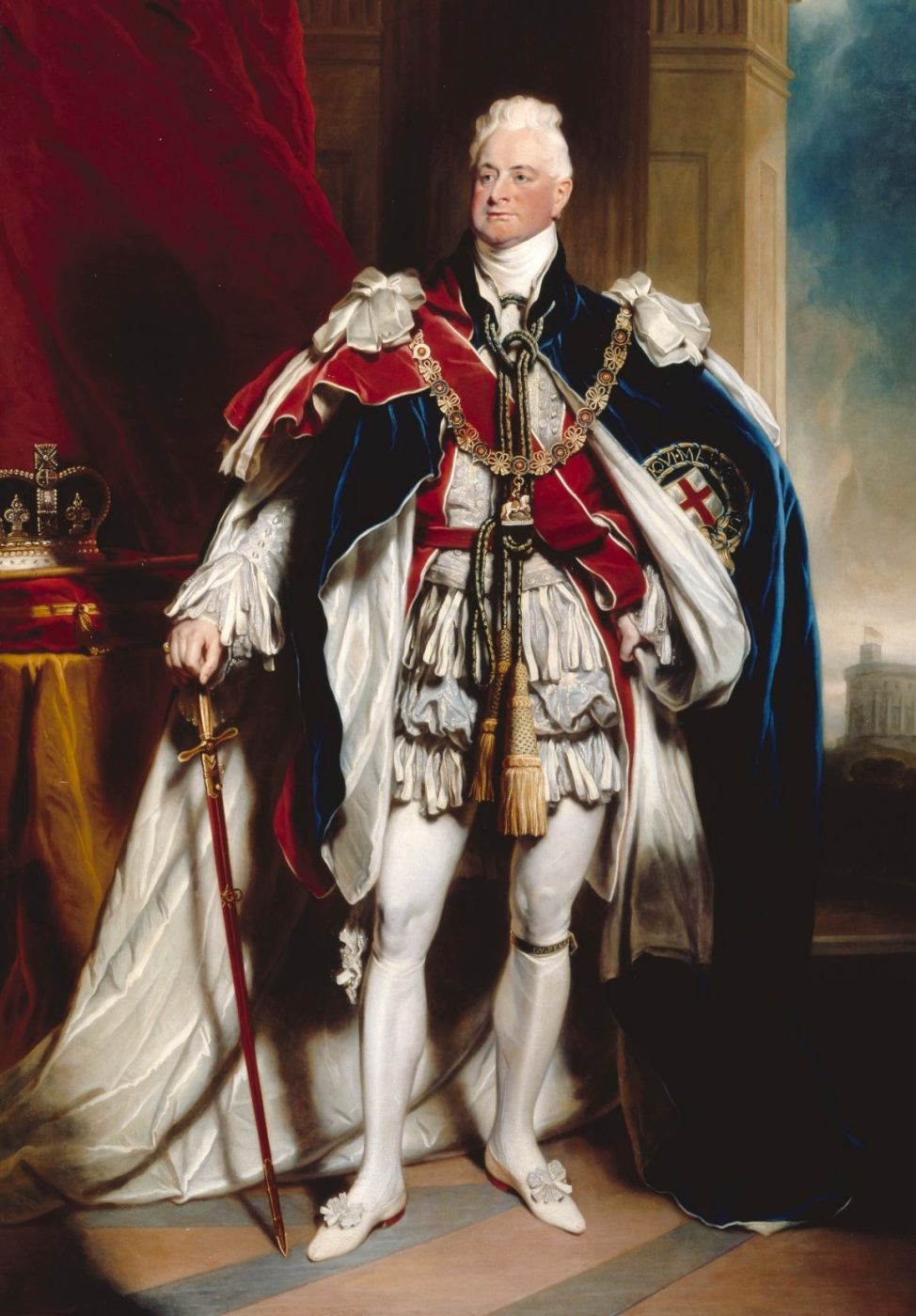
Biography
The unlikely king who transformed British monarchy, William IV ascended to the throne in 1830 after a lifetime in the royal shadows. Born into privilege at Buckingham Palace in 1765, he wasn’t groomed for kingship until fate intervened. His seven-year reign proved pivotal—a whirlwind period where he guided a nation through seismic political and social upheaval, steering the British monarchy through an era of radical transformation that would reshape the kingdom forever.
William IV’s tenure on the throne came during one of history’s most turbulent moments for British governance. Inheriting a crown amid demands for democratic reform and social change, he navigated these treacherous waters with surprising steadiness, becoming a symbol of the monarchy’s ability to adapt and survive. His reign, though brief, left an indelible mark on how the institution would evolve for centuries to come.
On June 20, 1837, the king suffered a fatal heart attack at Windsor Castle, ending his reign at seventy-one. He was interred at St George’s Chapel, Windsor—a final resting place befitting his historical significance. William IV remains remembered not as a flashy figurehead, but as a crucial bridge figure who helped modernize the British crown during its most vulnerable moment.
More Images

Cemetery Map
View larger map →Satellite overview of the cemetery grounds.