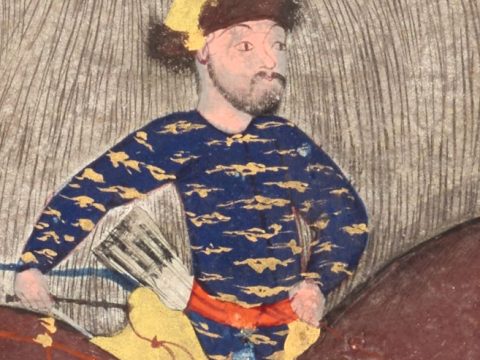
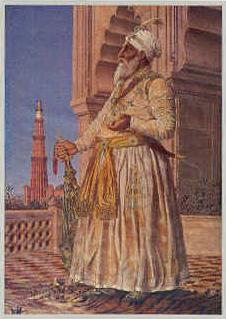
Humayun 1508 – 1556
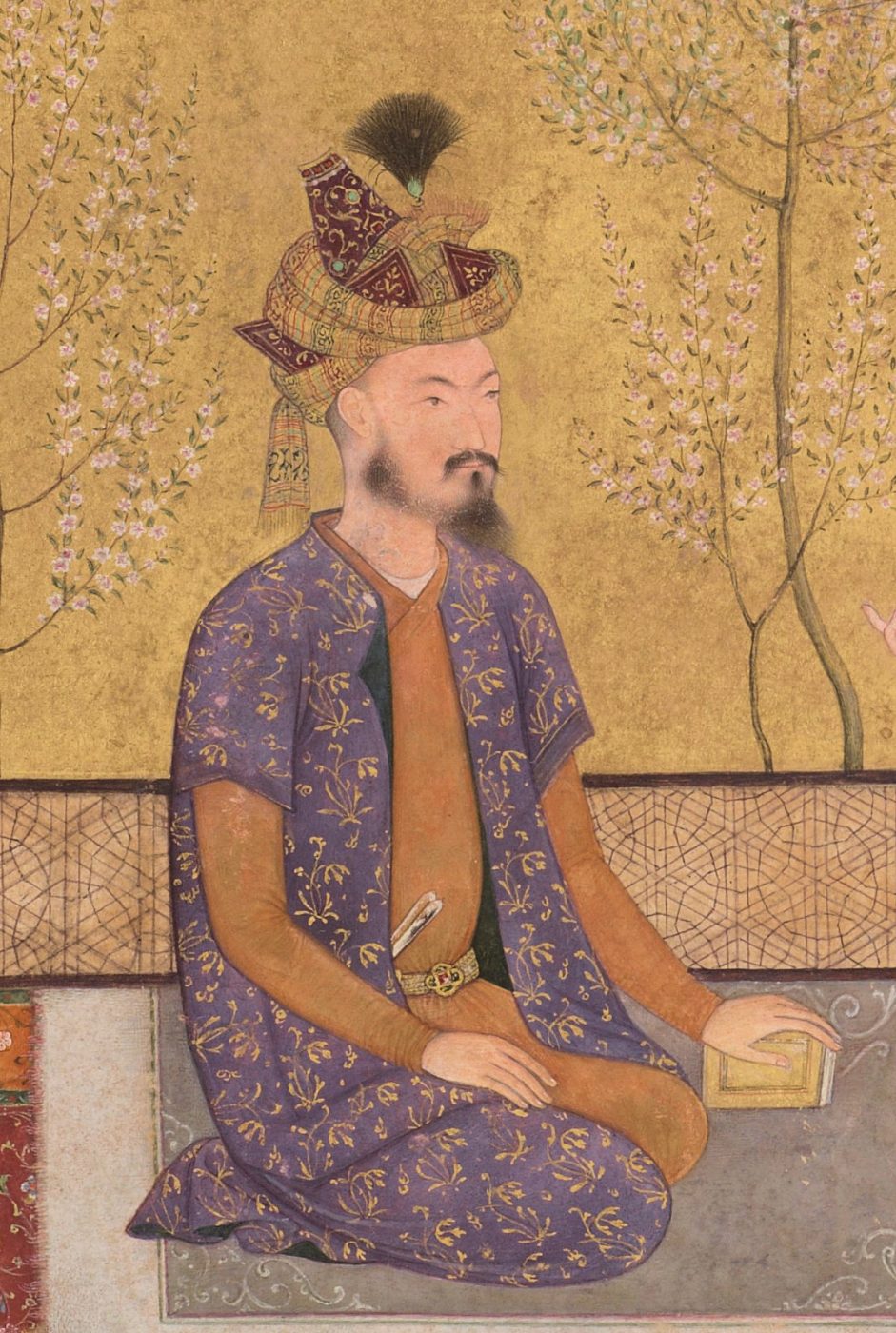
Biography
Born into Mughal royalty in 1508, Humayun inherited an empire—then spent much of his reign fighting to keep it. As the second Mughal emperor, he commanded vast territories across the Indian subcontinent, but his rule was anything but smooth. After taking the throne in 1530, he faced constant challenges that forced him into exile, losing power by 1540 before reclaiming it in a dramatic comeback just months before his death.
His fractured reign might have been forgotten, but Humayun’s legacy proved stronger than his grip on power. In 1556, at just 47, he died from injuries sustained in a fall in Delhi—a tragic end to a life spent navigating treacherous political waters. Yet history remembers him less for the instability than for what came after: his son Akbar would become the greatest Mughal ruler, building on his father’s vision.
Humayun’s magnificent tomb in South East Delhi stands as his most enduring monument, a masterpiece of Mughal architecture that ensures his memory remains etched into India’s landscape long after his reign ended.
More Images
Cemetery Map
View larger map →Satellite overview of the cemetery grounds.