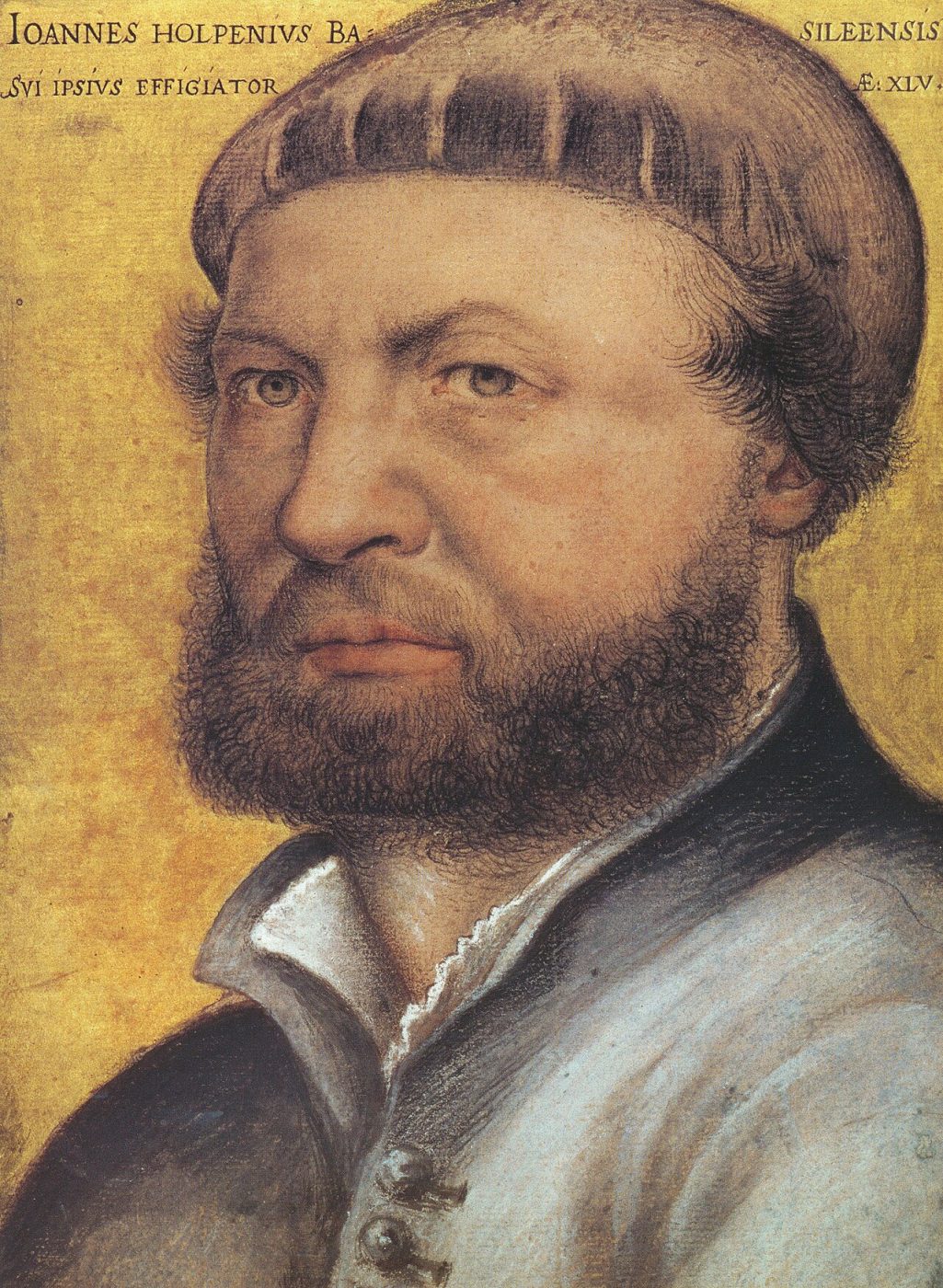
Hans Holbein the Younger 1497 – 1543
Biography
Hans Holbein the Younger arrived in Renaissance London as a master portraitist with a revolutionary eye for detail. Born in Augsburg in 1497, this German-born virtuoso became England’s most sought-after artist, wielding his brush with surgical precision to capture the faces—and souls—of Tudor society’s most powerful figures. His gift was uncanny: the ability to render not just likeness, but character itself.
Working across painting and printmaking, Holbein transformed the English court into his studio, creating an unparalleled visual record of the era. His meticulous technique and psychological insight made him indispensable to London’s cultural elite, who competed for his attention and his commissions. For decades, he defined what portraiture could be—intimate yet monumental, accessible yet profoundly artistic.
The plague claimed Holbein on December 9, 1543, cutting short a career that had already reshaped visual culture across two nations. He was buried at St Katharine Cree in London, the city that had become his true home. Four centuries later, his portraits remain the unflinching mirror through which we see the Renaissance itself.
More Images

Cemetery Map
View larger map →Satellite overview of the cemetery grounds.