Dziga Vertov 1896 – 1954
Biography
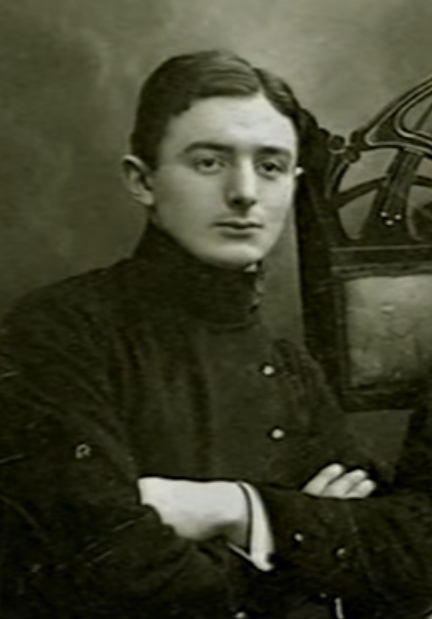
Dziga Vertov revolutionized how cameras could see. The Russian-Soviet filmmaker didn’t just document reality—he weaponized the lens itself, pioneering radical documentary and avant-garde techniques that shattered conventional storytelling. Born in Białystok in 1896, Vertov emerged as a towering figure in early Soviet cinema, developing a visionary approach to filmmaking that treated the camera as an instrument of artistic transformation rather than mere recording device.
His experimental methods and theoretical innovations became foundational to modern documentary practice. Working during cinema’s most turbulent creative period, Vertov pushed technical and artistic boundaries relentlessly, crafting works that explored what film could fundamentally achieve. His uncompromising vision didn’t just influence contemporaries—it shaped how generations of filmmakers after him thought about truth, perspective, and the camera’s power.
Vertov died of cancer in Moscow on February 12, 1954, at fifty-seven. He rests at Novodevichy Cemetery, where his legacy endures as one of cinema’s most fearless innovators. Despite the era’s constraints, his restless artistic spirit left an indelible mark on documentary and experimental film that resonates across decades.
Cemetery Map
View larger map →Satellite overview of the cemetery grounds.