Hong Taiji 1592 – 1643
Biography
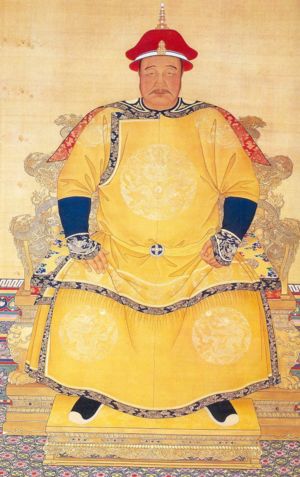
Born into power in Hetu Ala City, Hong Taiji became the architect of one of history’s most consequential dynasties. Rising from regional prominence, he transformed fragmented Jurchen tribes into a unified force, establishing himself as the founding emperor of the Qing Dynasty. His consolidation of power during the early 17th century marked a seismic shift in East Asian politics, positioning his people to eventually rule vast territories and reshape the region’s future.
Hong Taiji’s leadership proved visionary—he built institutional frameworks and administrative systems designed to outlast his reign. When he died in Manchuria on September 21, 1643, he left behind not just a dynasty, but a blueprint for imperial governance that would endure for centuries. His tomb at Zhao Mausoleum stands as a monument to his stature among those who followed.
The Qing Dynasty he founded became one of history’s most expansive empires, making Hong Taiji’s lifetime achievements foundational to centuries of regional dominance. His legacy extends far beyond his own era, cementing his place as a transformative figure whose vision reshaped the political and cultural landscape of East Asia.
Cemetery Map
View larger map →Satellite overview of the cemetery grounds.