Inca Garcilaso de la Vega 1539 – 1616
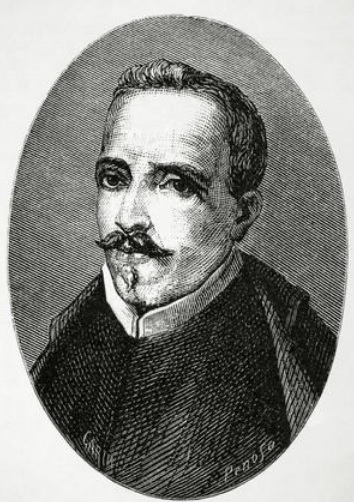
Biography
Born into Cusco’s fading Incan nobility in 1539, Inca Garcilaso de la Vega became the era’s most vital chronicler of a vanishing world. Straddling indigenous heritage and Spanish colonial rule, he wielded his pen as a bridge between civilizations, documenting the seismic cultural shifts reshaping his homeland. His writings captured what others ignored: the lived experience of conquest, the texture of a transforming empire, the voices of those caught between two worlds.
Garcilaso’s legacy rests on his unflinching commitment to historical truth during an age when such nuance was rare. He refused the simplified narratives of conquerors and the silence of the conquered, instead crafting a complex, layered account of colonial Peru. Through his chronicles, he became an irreplaceable witness to one of history’s most turbulent transitions—a keeper of memory when memory itself was under siege.
The chronicler died in Córdoba in 1616 at seventy-six, buried in the Mosque-Cathedral—itself a monument to Spain’s layered past. His final resting place seemed almost poetic: a structure embodying the very cultural hybridity that defined his life’s work. Garcilaso left behind not just historical records, but a masterclass in how one person’s testimony can preserve an entire world from erasure.
Cemetery Map
View larger map →Satellite overview of the cemetery grounds.