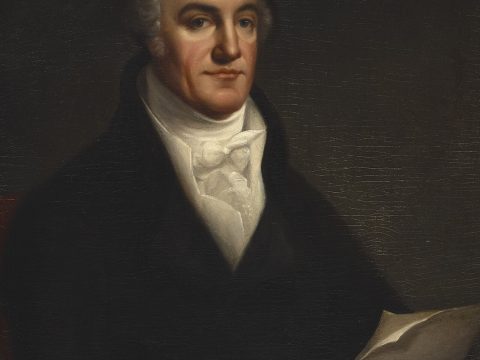
Prudentius 348 – 413
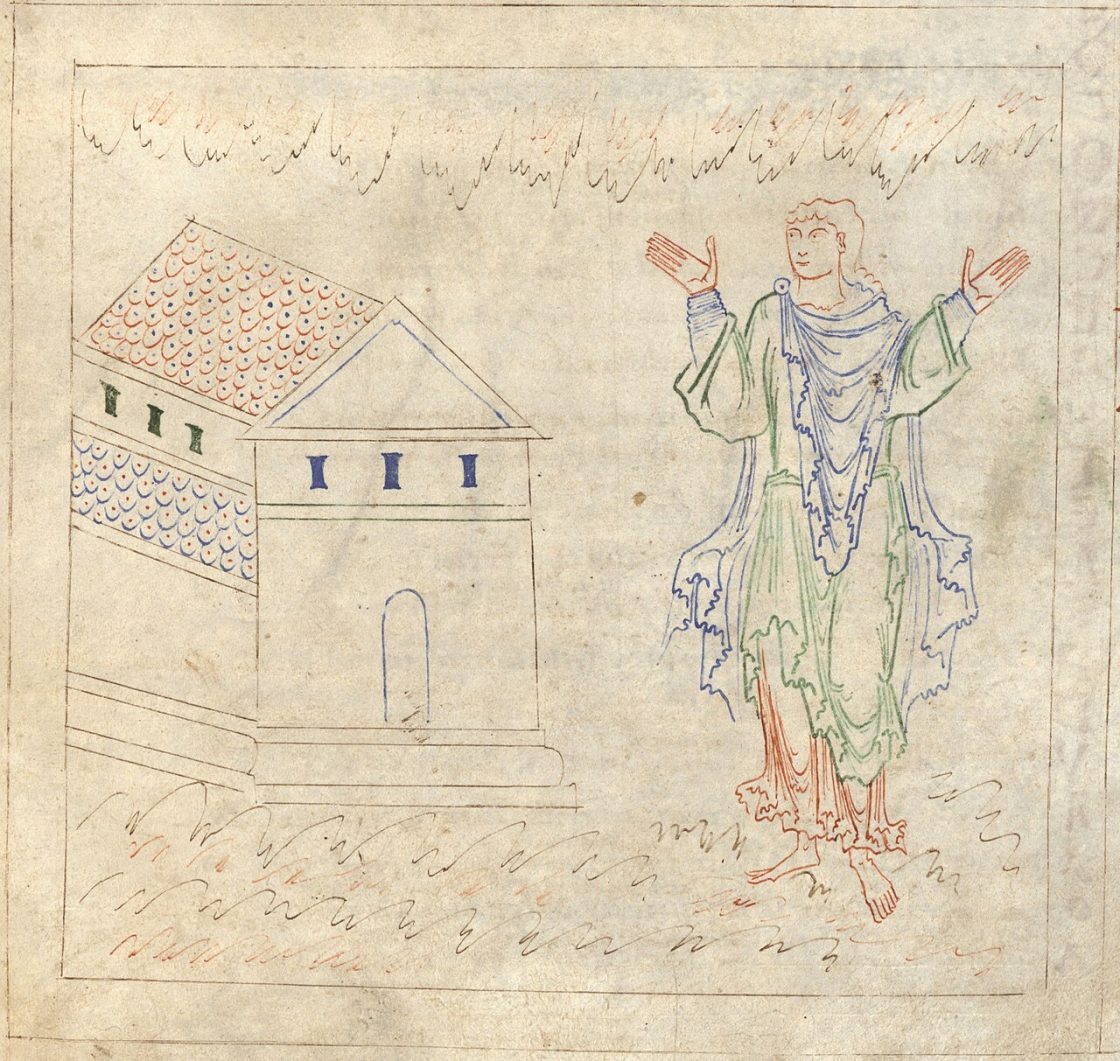
Biography
Born into the twilight of the Roman Empire, Prudentius emerged as one of late antiquity’s most influential voices—a writer who mastered the classical forms of his ancestors while channeling them toward Christian purpose. Living through Christianity’s transformation from persecuted faith to imperial religion, this Spanish-born intellectual produced works that would resonate through centuries of Western thought. His genius lay in fusing the literary sophistication of Rome with theological depth, creating something entirely new: a Christian literature worthy of the classical tradition.
Prudentius’s pen became a bridge between worlds. Writing in the waning years of the fourth century, he didn’t simply adopt Christian themes—he weaponized classical rhetoric and poetic technique to defend and elevate the faith. His works rippled outward, influencing how generations understood both religious instruction and literary artistry. For sixty-five years, this quiet Spanish intellectual rewrote the rules of what Christian writing could be, proving that faith and classical learning weren’t opposing forces but natural allies.
Though the specifics of his later life fade into historical shadow, Prudentius’s words survived intact. He left behind not monuments or monuments but something more durable: a body of work that taught the Middle Ages how to think, pray, and write. In bridging Rome’s dying light with Christianity’s rising sun, he became the voice of an entire epoch’s transformation.
Cemetery Map
View larger map →Satellite overview of the cemetery grounds.