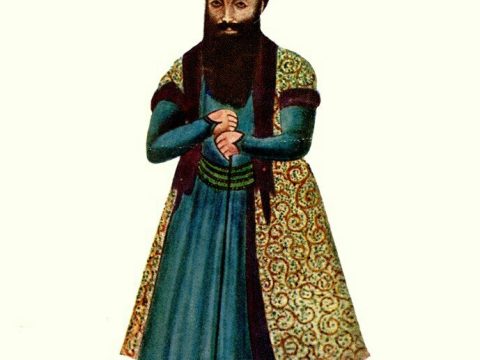
Louis Blanc 1811 – 1882
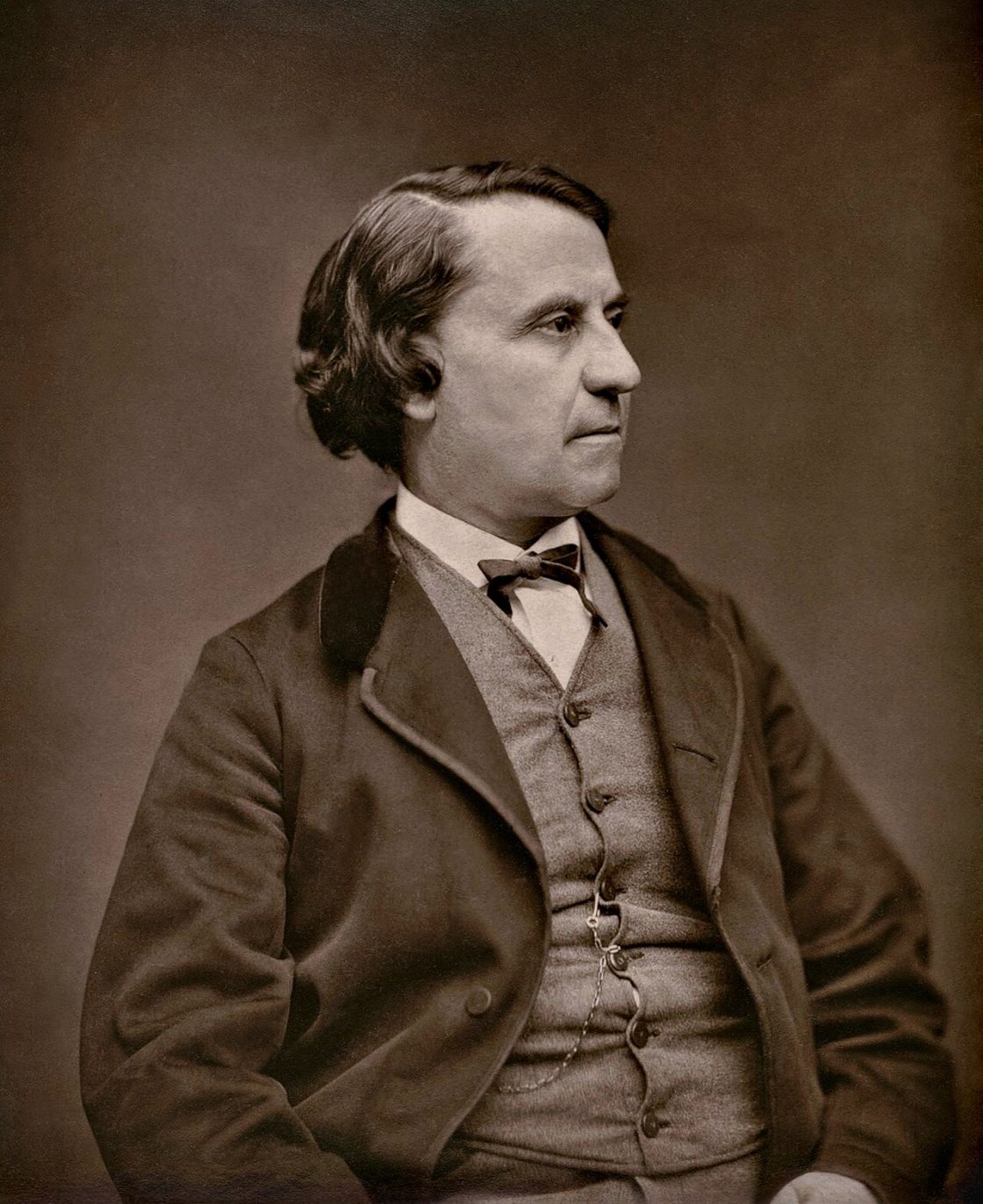
Biography
Born in Madrid but adopted by France, Louis Blanc emerged as a fiery political theorist and historian who shaped nineteenth-century progressive thought. Blanc became known for bridging scholarship and activism, refusing to separate intellectual pursuit from social action. His work electrified French political discourse during one of Europe’s most turbulent decades, making him essential to understanding the era’s revolutionary ferment and competing visions for society’s future.
A politician and historian in equal measure, Blanc proved relentless in interrogating the great social questions of his time. He engaged with the burning debates over labor, democracy, and historical change—not as a distant observer but as a committed participant willing to dirty his hands in the messy work of politics. This rare combination of theoretical rigor and practical conviction gave his voice unusual authority among French intellectuals and reformers.
After decades shaping French political life, Blanc spent his final years in the Mediterranean calm of Cannes, where he died in December 1882. His legacy rests at Père Lachaise, among France’s most honored dead—a testament to the nation he’d claimed as his own. His influence outlasted him, permanently embedded in French political and historical consciousness.
More Images

Cemetery Map
View larger map →Satellite overview of the cemetery grounds.