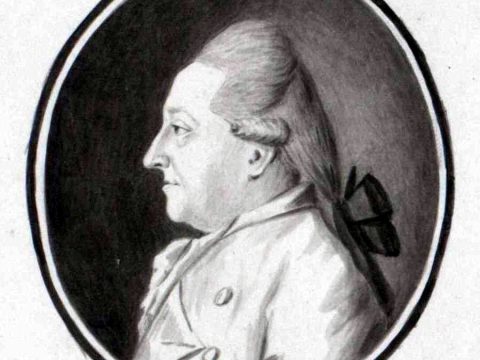
Abu al-Faraj al-Isfahani 897 – 967
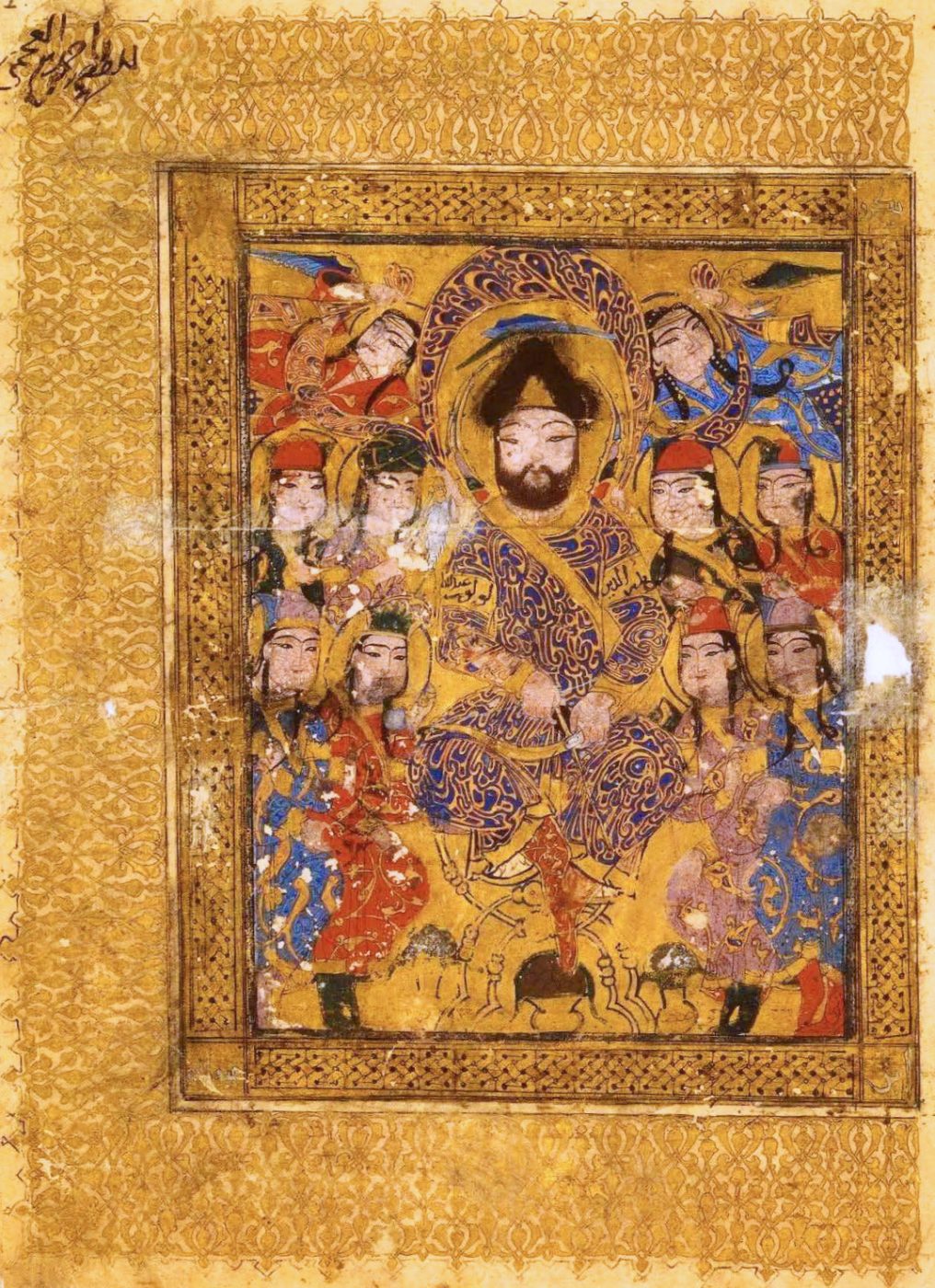
Biography
A towering intellect of the Islamic golden age, Abu al-Faraj al-Isfahani bridged disciplines with the restless curiosity of a true Renaissance man—centuries before the Renaissance. The Isfahan-born scholar became the era’s most prolific voice on music, poetry, history, and literature, translating raw erudition into accessible cultural commentary that captivated medieval Islamic society’s elite. His reputation as a keeper of civilization’s treasures made him essential reading in courts and academies across the Islamic world.
Al-Isfahani’s genius lay in his refusal to stay in one lane. While historians filed dusty records, he synthesized knowledge across music theory, literary criticism, and social observation—creating layered works that felt alive. His meticulous documentation of tenth-century society, its artists, musicians, and intellectual currents, transformed casual scholarship into something approaching cultural journalism. He didn’t just preserve knowledge; he made it sing.
Settling in Baghdad during his final decades, al-Isfahani became an institution unto himself. When he died in 967 at seventy, the Islamic world lost one of its most influential minds. His extensive written legacy endured as an indispensable window into the sophistication and vitality of his age—proof that scholarship, done with passion and vision, becomes immortal.