Muhammad Ali Bogra 1909 – 1963
Biography
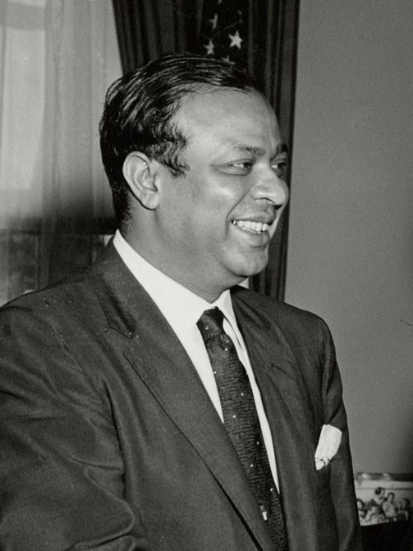
Muhammad Ali Bogra steered Pakistan through one of its most turbulent periods, serving as Prime Minister during the nation’s formative 1953-1955 years. Born in Barishal in 1909, Bogra emerged as a pivotal architect of early Pakistani governance, grappling with the monumental challenge of building state institutions from scratch in the wake of Partition’s chaos. His tenure represented a crucial inflection point in the young nation’s constitutional development, as he worked to establish political stability during a time of profound uncertainty.
Bogra’s leadership reflected the intricate balancing act required in early Pakistan—managing competing regional interests, religious ideologies, and nascent democratic structures. His two-year premiership, though brief, left an indelible mark on the country’s political trajectory and institutional foundations. When he passed away in Dhaka on January 23, 1963, Bogra left behind a legacy as one of the defining figures of Pakistan’s nation-building era, a statesman whose contributions shaped the country’s earliest critical years.