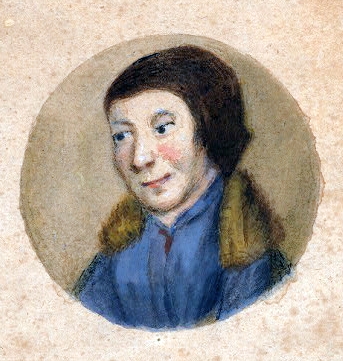
Gilles Binchois 1400 – 1460
Biography
Born in Mons in 1400, Gilles Binchois became the sonic architect of the Franco-Flemish Renaissance—a revolutionary figure who rewired how Europe heard music. Working across the fifteenth century, he pioneered harmonic innovations and expressive techniques that didn’t just influence his contemporaries; they fundamentally reshaped the language of Western music itself. His compositions circulated across Europe, earning him respect and admiration among the continent’s musical elite.
As both composer and performing musician, Binchois helped establish the very conventions that would define Renaissance sound for centuries to come. He was the kind of artist who doesn’t just make great work—he makes new kinds of great work possible. His surviving compositions stand as proof that his ear for harmony and emotion was decades ahead of his time, a blueprint that composers would study and build upon long after his death.
Binchois spent his final years in Soignies before dying on September 29, 1460, at sixty. The specifics of his passing went unrecorded, but his legacy didn’t. The innovations he embedded into those fifteenth-century compositions remain audible today, securing his place among history’s most consequential musical architects.