Lodewijk de Vadder 1605 – 1655
Biography
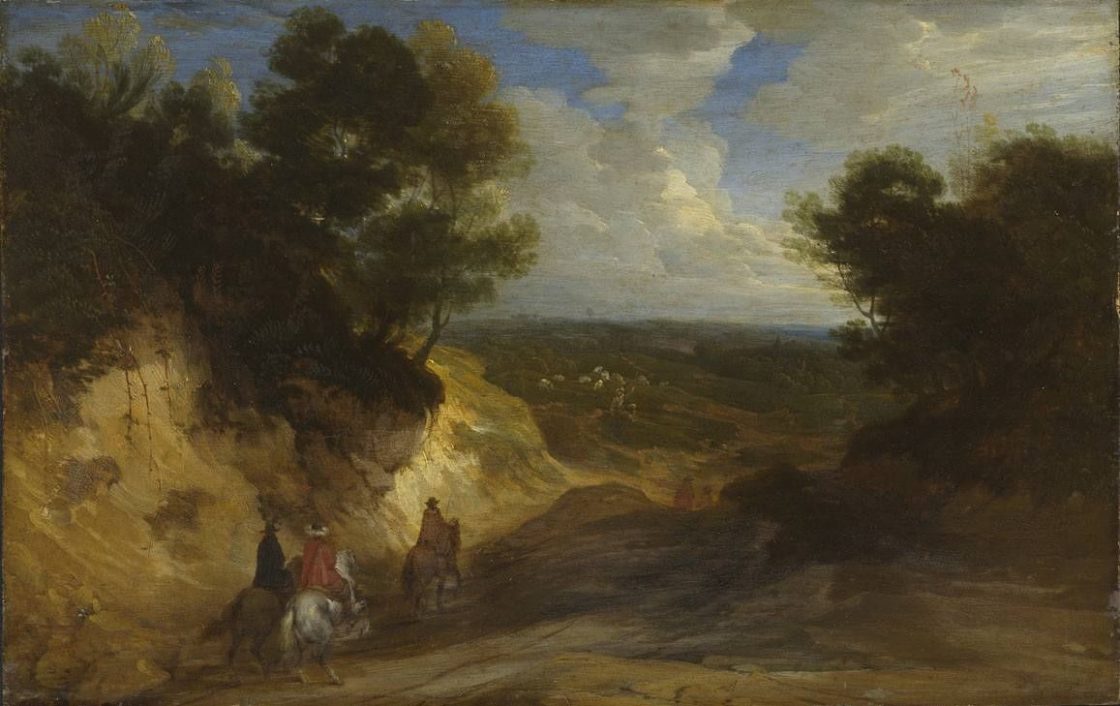
Lodewijk de Vadder commanded the Flemish art scene as a master of landscape painting and engraving during the 1600s. Born in Grimbergen in 1605, this virtuoso captured sweeping countryside vistas and architectural scenes with a precision that made him one of the era’s most sought-after visual artists. His dual mastery of both paint and engraving meant his work circulated across Europe, influencing how artists approached the natural world.
De Vadder’s landscapes weren’t mere pretty postcards—they were technical marvels that blended meticulous detail with atmospheric drama. His engravings brought his compositions into homes and studios across the continent, making him a behind-the-scenes architect of Baroque visual culture. Working in Brussels during art’s golden age, he helped define what Flemish landscape painting could be.
The artist died in Brussels in 1655 at fifty, leaving behind a legacy etched as deeply into European art history as his own engraving tools marked copper plates. His influence rippled through generations of landscape painters who studied and emulated his approach to capturing light, space, and the drama of the natural world.