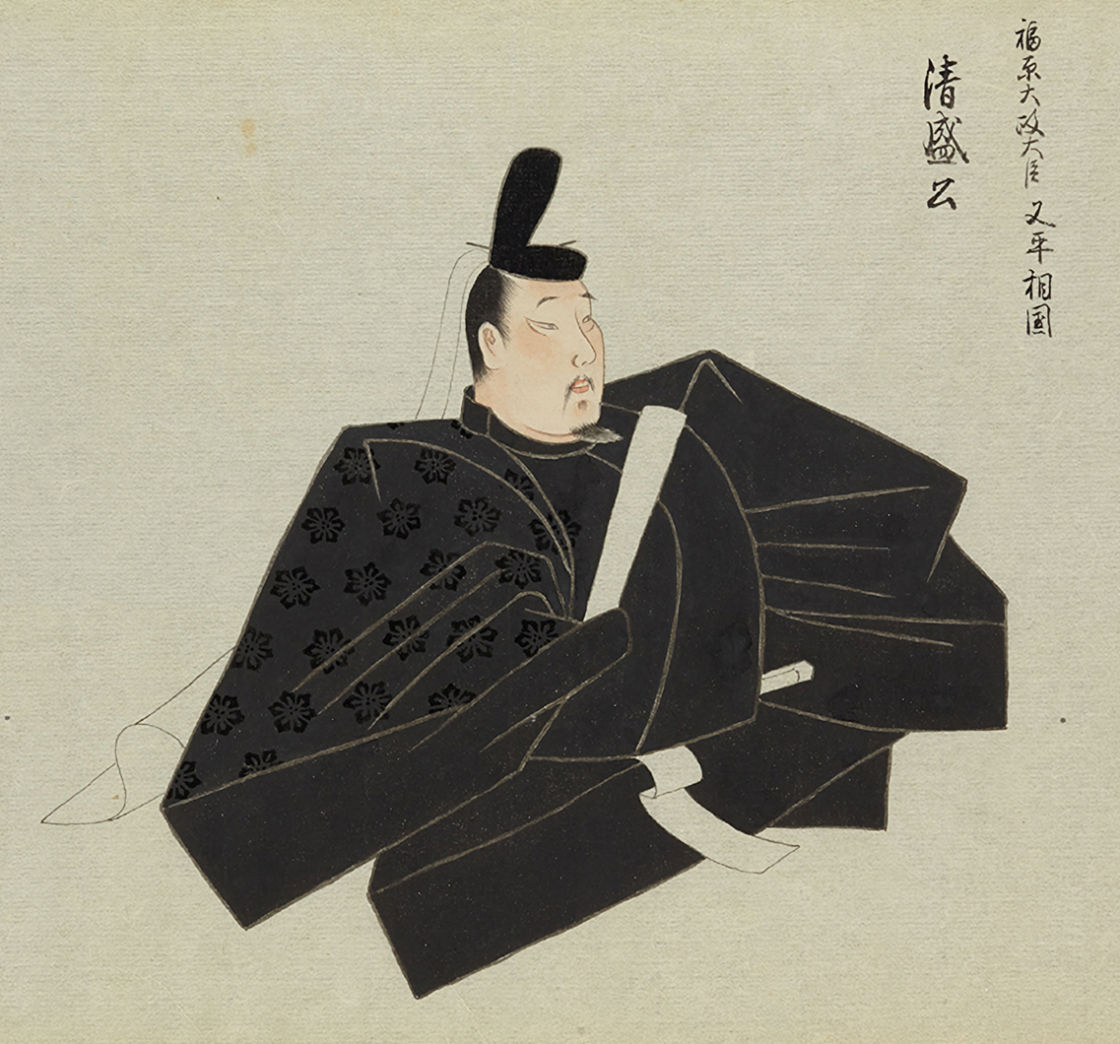
Taira no Kiyomori 1118 – 1181
Biography
Born into privilege during Japan’s transformative Heian period, Taira no Kiyomori rose to become one of the era’s most commanding samurai figures. For over six decades, he embodied the warrior code that defined his generation—a towering presence whose military acumen and political influence reshaped the Japanese landscape. His devotion to the samurai tradition set the standard for honor and discipline that would echo through centuries of warrior culture.
Kiyomori’s sixty-three-year reign of influence ended in Kyōto when malaria claimed him in 1181, marking a seismic shift in Japan’s power dynamics. His death was no quiet fade—it represented the closing of an era. Though his body was laid to rest at Nōfuku-ji Temple, his legacy proved far more durable, cementing his place as a pivotal architect of samurai history whose impact transcended his lifetime and shaped the very essence of the warrior tradition.
Cemetery Map
View larger map →Satellite overview of the cemetery grounds.