Arthur Drewry 1891 – 1961
Biography
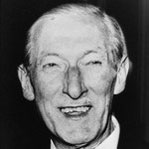
Born into Grimsby during football’s explosive rise, Arthur Drewry became one of early twentieth-century England’s most influential sports administrators. While peers played the game, Drewry built it—crafting the organizational backbone that transformed association football from a chaotic passion into a professionally governed sport. His work in football administration during the 1920s through 1950s proved unglamorous but essential, establishing frameworks and structures that protected the game’s integrity as it evolved from local phenomenon into a global force.
Drewry’s tenure spanned football’s most transformative decades, a period when proper governance separated thriving leagues from collapse. He navigated the sport through wars, economic upheaval, and explosive growth—always prioritizing the administrative rigor that allowed English football to flourish. Though he worked behind closed doors rather than under stadium lights, his fingerprints remained on virtually every major decision that shaped the professional game during his era.
The administrator died in March 1961 at seventy, leaving behind organizational foundations that outlasted him by decades. Drewry embodied a particular brand of British dedication: unsexy, meticulous, and ultimately transformative. His legacy wasn’t measured in goals or glory but in the sound systems he built—systems that remained standing long after he was gone.
Cemetery Map
View larger map →Satellite overview of the cemetery grounds.