Ion I. C. Brătianu 1864 – 1927
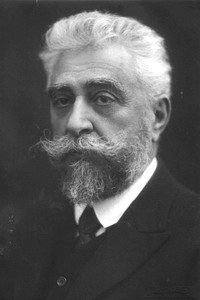
Biography
Born into the influential Brătianu family in rural Ștefănești, Ion I. C. Brătianu carved out a political career that would shape Romania during its most pivotal modern moment. Coming of age in the late 1800s, he devoted himself to public service at a time when his nation was redefining its identity on the European stage. His work in Romanian politics reflected the intricate challenges of navigating geopolitical complexity while building national institutions.
Throughout his adult years, Brătianu remained a fixture in Romania’s political machinery, influencing governance and statecraft during transformative decades. His contributions to political discourse left measurable marks on how the nation approached its development and international standing—the kind of steady, substantive work that shapes history without always making headlines.
On November 24, 1927, an infectious disease claimed Brătianu in Bucharest. His legacy returned to its source: he was laid to rest at the Funeral Chapel of “The Birth of St. John the Baptist” in Ștefănești, the village where his family had long roots. The choice was symbolic—a statesman whose entire career was bound to the soil and future of Romania.
Cemetery Map
View larger map →Satellite overview of the cemetery grounds.