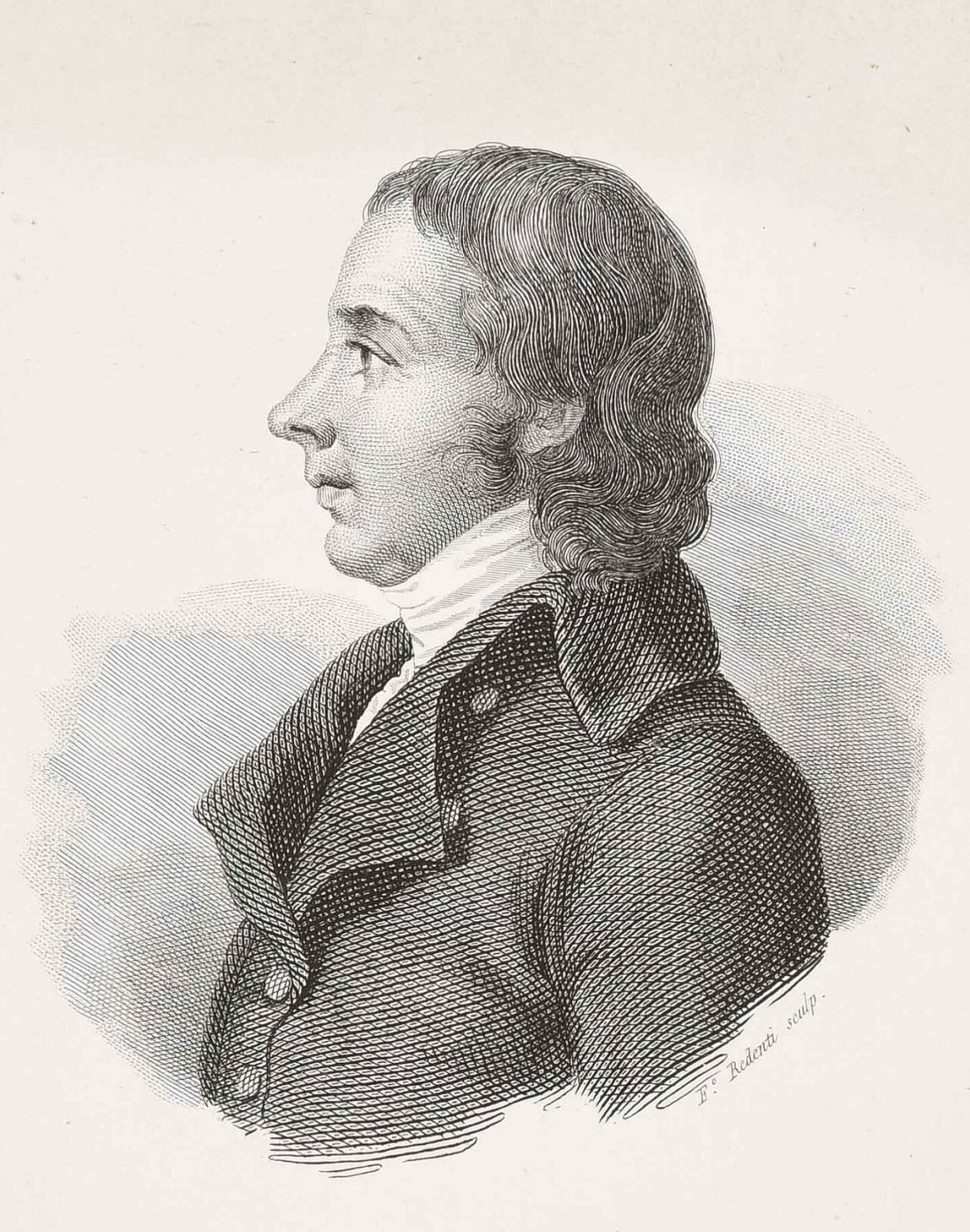
Lorenzo Mascheroni 1750 – 1800
Biography
Lorenzo Mascheroni proved that mathematics and poetry weren’t opposing forces—they were dance partners. Born in Bergamo in 1750, this Italian scholar became the rare breed of Enlightenment thinker who could crack complex geometric problems before breakfast and craft elegant verses by candlelight. His dual mastery made him a standout across Europe’s intellectual elite, bridging the gap between rigorous academia and accessible artistry in an era when such versatility was celebrated, not compartmentalized.
Mascheroni’s mathematical innovations earned him serious scholarly credentials, but his real gift was translation—turning abstract theorems into language that resonated beyond university walls. This ability to speak fluently in both mathematics and literature set him apart from one-dimensional academics of his time, making his work genuinely distinctive during an age of generalist ambition.
He spent his final decade in Paris, the Enlightenment’s beating heart, where he continued his dual pursuits until his death on July 14, 1800, at just fifty years old. Mascheroni left behind a compact but luminous legacy—proof that intellectual curiosity knows no single channel, and that the most compelling minds often refuse to choose.