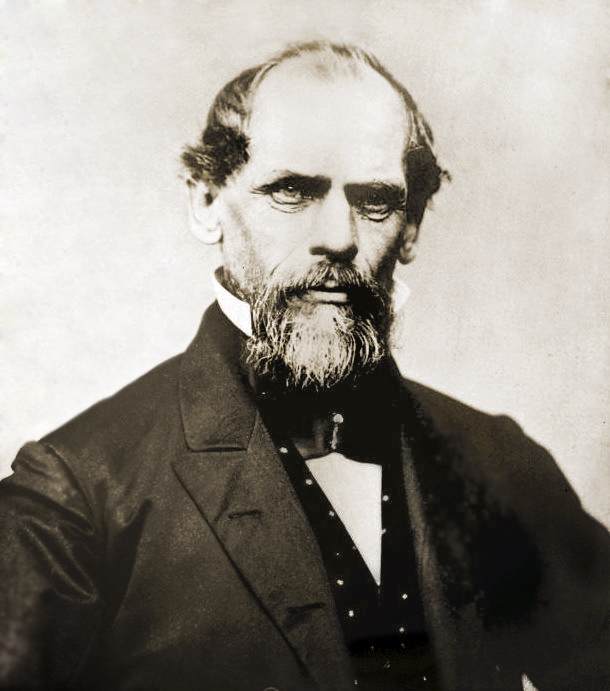
John Augustus Roebling 1806 – 1869
Biography
German-born visionary John Augustus Roebling arrived in America with revolutionary ideas about wire rope and structural engineering that would reshape the nation’s infrastructure. This Thuringia native transformed from European-trained engineer into the architect of America’s most audacious bridge designs, pioneering innovations that made impossible spans suddenly feasible. His wire rope techniques and suspension bridge principles weren’t just technical achievements—they were game-changers that set the standard for an entire profession.
Roebling’s fingerprints were all over the nineteenth century’s most ambitious engineering projects, establishing methods so influential they became the blueprint for generations of engineers. He didn’t just build bridges; he fundamentally changed how engineers approached their craft, proving that European sophistication and American ambition could produce extraordinary results. His structural innovations transcended individual projects, becoming foundational principles of modern engineering.
On July 22, 1869, tetanus claimed Roebling in New York City at sixty-three, cutting short a life that had already redefined what was possible in engineering. Though his time was brief, the legacy proved immortal—the structures he designed and principles he championed continued inspiring engineers long after his burial in Trenton’s Riverview Cemetery, cementing his status as one of the nineteenth century’s most transformative figures.
Cemetery Map
View larger map →Satellite overview of the cemetery grounds.