Friedrich Kuhlau 1786 – 1832
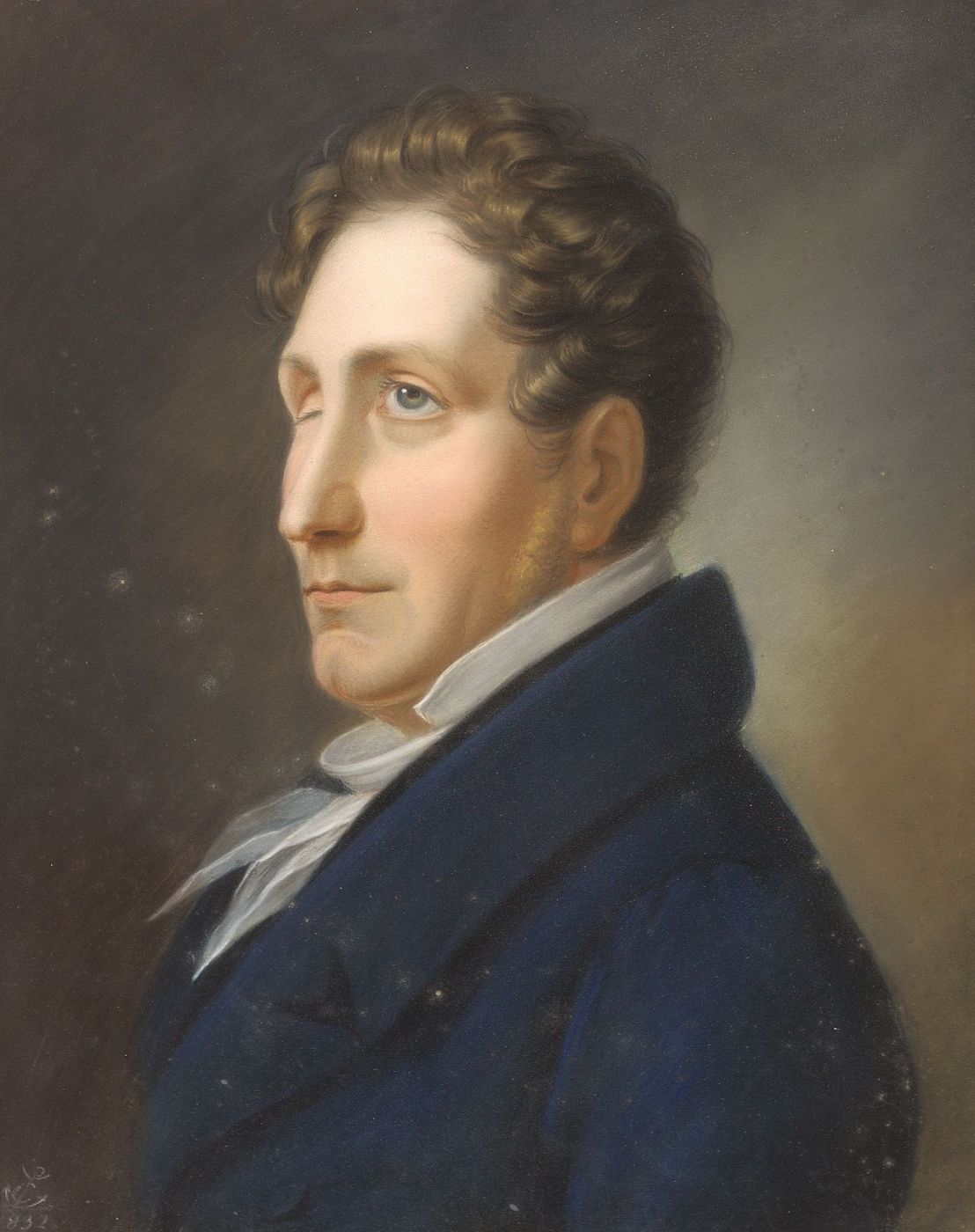
Biography
Friedrich Kuhlau became the classical world’s master of the flute—a virtuoso composer who elevated the instrument from parlor accessory to concert hall centerpiece. Born in northern Germany in 1786, he channeled the elegant restraint of early Romanticism into a catalog of flute sonatas and chamber works that still captivate musicians today. His sonatinas and duets remain staples of conservatory studios, prized for their lyrical sophistication and technical brilliance.
The turning point came when Kuhlau relocated to Copenhagen, transforming himself into Denmark’s most celebrated musical import. There, he became the golden standard of the capital’s musical establishment, composing operas and orchestral pieces that earned him genuine celebrity status among Scandinavian audiences. His prolific output bridged Classical and Romantic sensibilities, giving him a unique position in early nineteenth-century Europe.
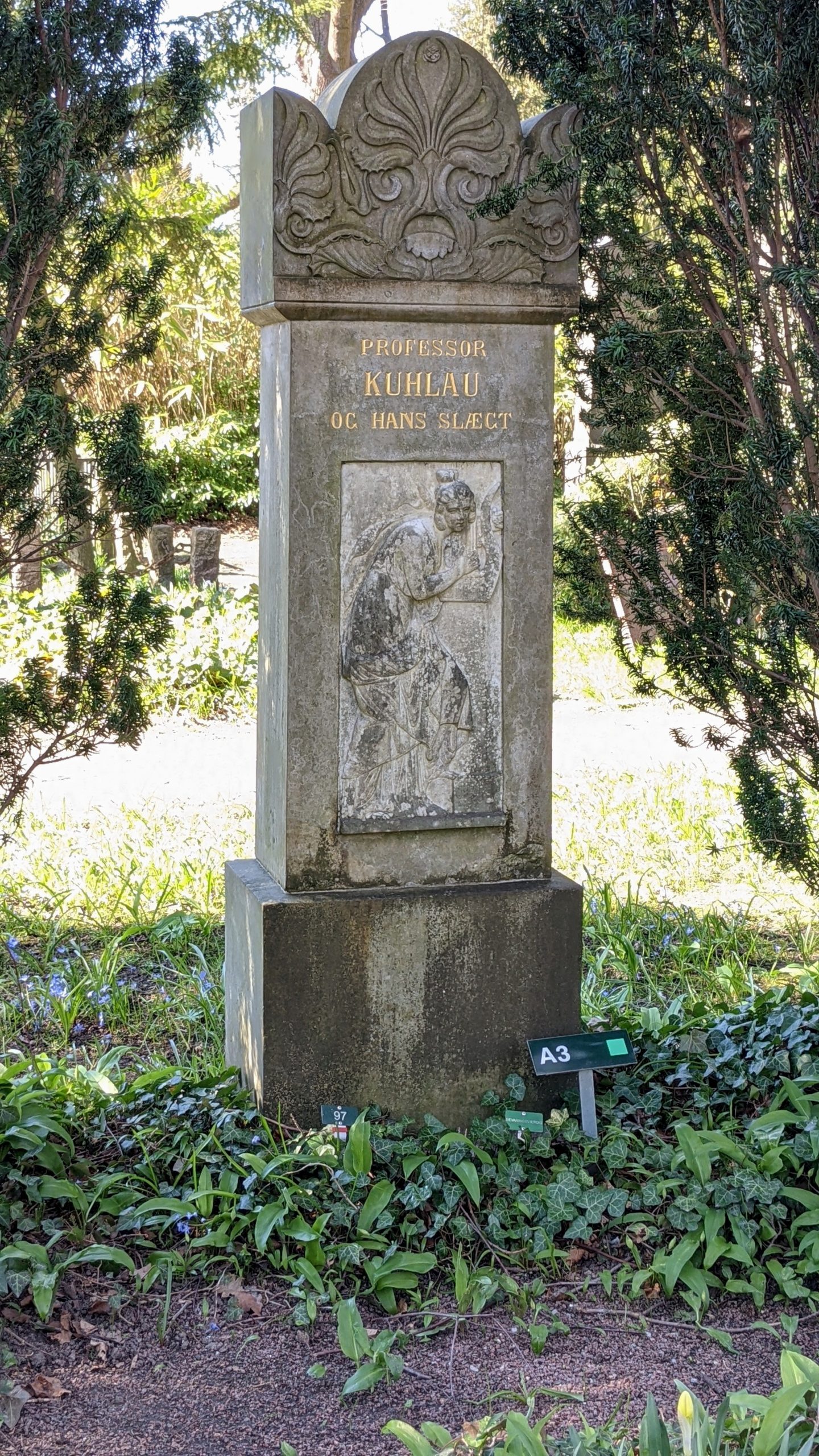
Kuhlau died in Copenhagen in 1832 at forty-five, his contributions secure. Buried at Assistens Cemetery, one of the city’s most prestigious resting places, he left behind a body of work that proved the flute could be as profound as any instrument in the orchestra.
More Images
Cemetery Map
View larger map →Satellite overview of the cemetery grounds.