Paul Wittgenstein 1887 – 1961
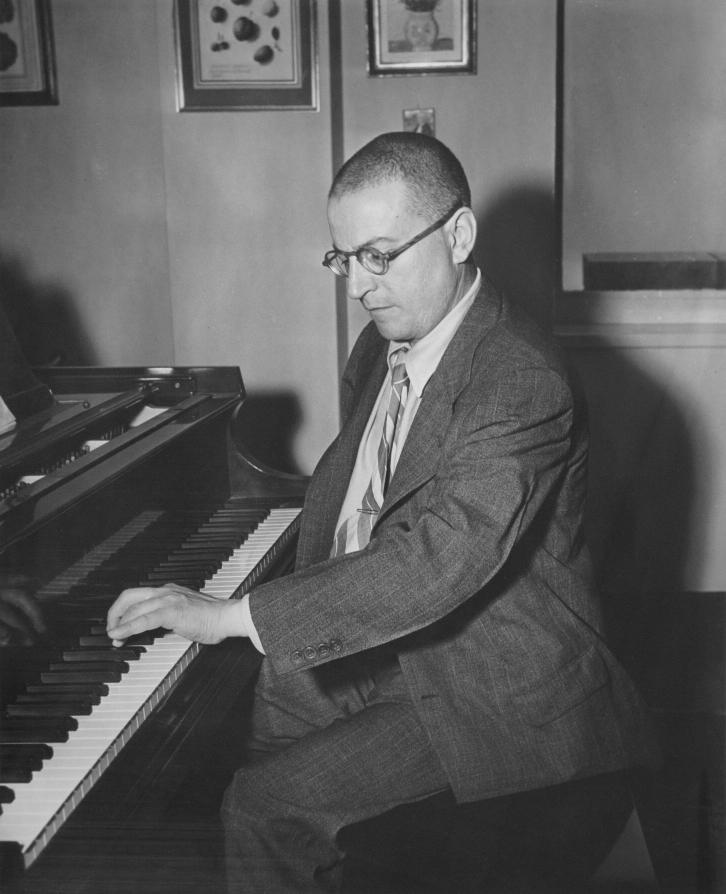
Biography
Born into Vienna’s golden age of classical music, Paul Wittgenstein devoted himself entirely to the piano, becoming a musician of remarkable skill during a transformative era for European culture. His artistry flourished amid the continent’s rich musical traditions, establishing him as a dedicated force in Austria’s vibrant concert halls and cultural scene.
As Nazi darkness descended across Europe, Wittgenstein made the harrowing choice to abandon his homeland for America—a leap of faith that meant leaving behind everything familiar to escape persecution and secure his survival. This exodus represented both profound loss and quiet courage, embodying the desperate journeys undertaken by countless artists fleeing fascism’s reach.
Wittgenstein spent his final decades in Manhasset, New York, where he remained until his death in 1961, eventually finding rest at Pinegrove Cemetery. His life stands as a testament to music’s power to endure beyond borders, and to the resilience of those who chose exile over erasure.
Cemetery Map
View larger map →Satellite overview of the cemetery grounds.