Todor Burmov 1834 – 1906
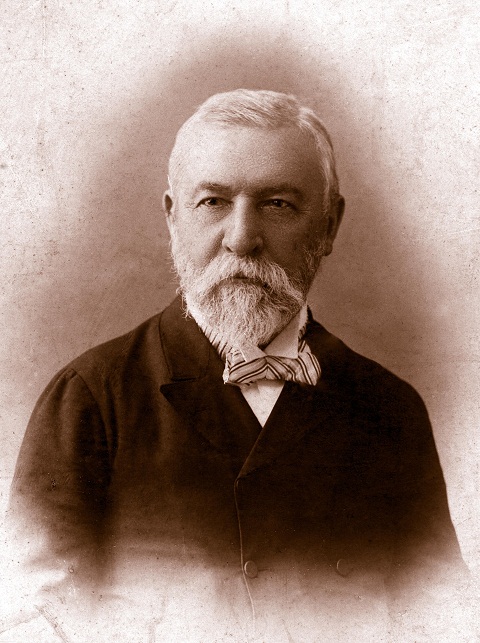
Biography
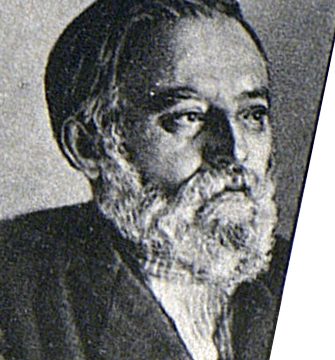
Born into the merchant heart of Gabrovo in 1834, Todor Burmov rose to become one of Bulgaria’s towering political figures during the nation’s most transformative era. He climbed to the pinnacle of power as Prime Minister, steering the young nation through the treacherous waters of post-Ottoman independence and early statehood. Burmov’s tenure and influence shaped the very institutions and governance structures that would define modern Bulgaria during its critical formative decades.
Burmov’s career unfolded across one of history’s most dramatic periods—spanning the waning Ottoman Empire through Bulgaria’s hard-won emergence as an independent nation. A witness and architect of the Balkans’ reshaping, he navigated the diplomatic and political minefields that threatened to consume the region. His contributions to Bulgarian statecraft became woven into the fabric of the nation’s development, establishing precedents that would guide generations to come.
Remaining a fixture in Sofia’s political elite until his death on November 7, 1906, at 72, Burmov embodied the transition from empire to nation-state. His life stands as testament to a crucial chapter in Bulgarian history—a legacy of public service during the very moment when a people claimed their sovereignty and forged their modern identity.