Mór Than 1828 – 1899
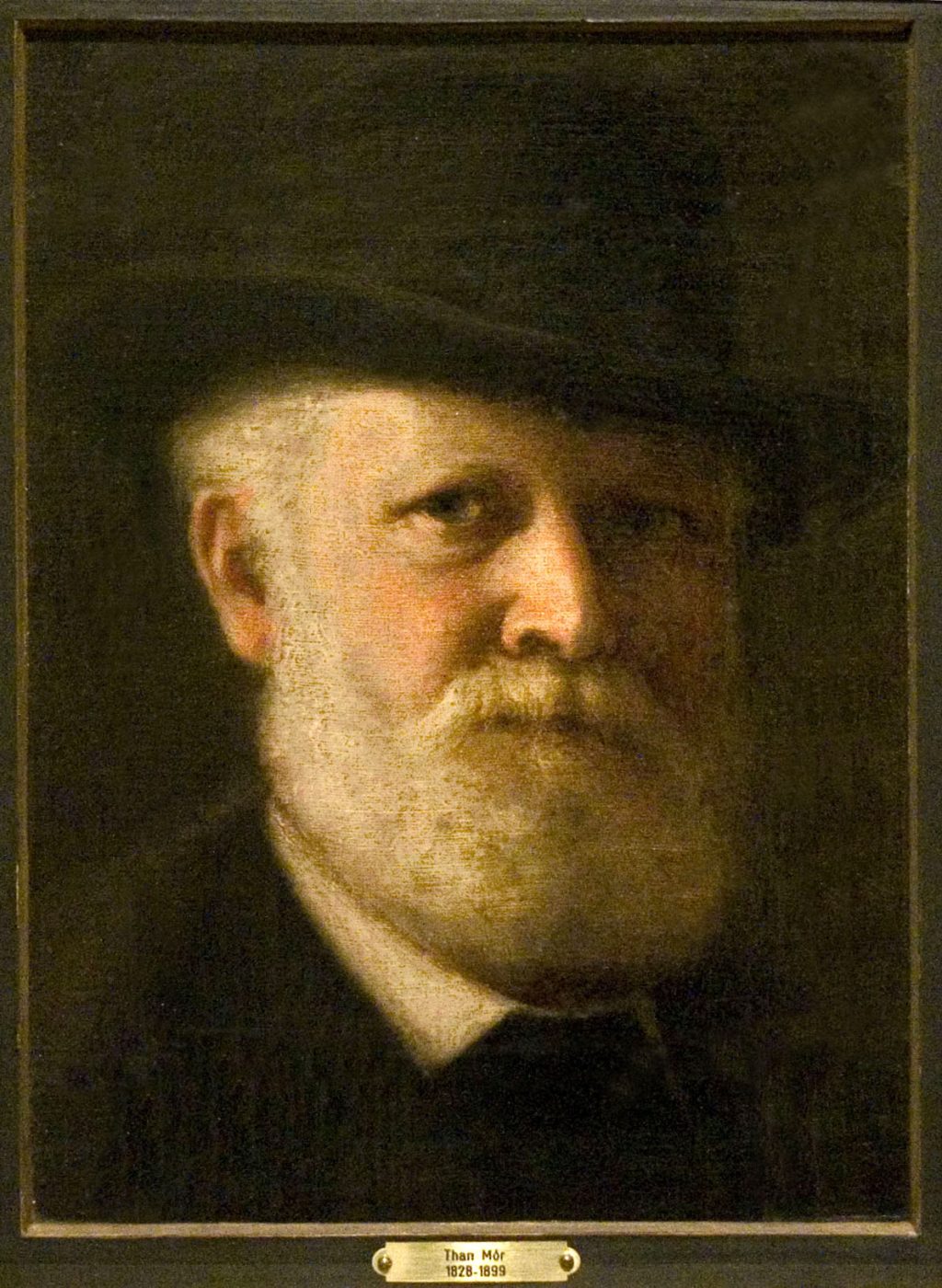
Biography
Born in 1828 in Bečej, Mór Than rose to prominence as a defining figure in nineteenth-century Hungarian art during a transformative period for Central European culture. Working across seven decades of remarkable change, Than became an accomplished artist whose work captured the artistic sensibilities of his era and contributed significantly to Hungary’s cultural landscape during a crucial moment of national development.
Than’s career reflected the ambitions and creative currents of his time, establishing him as a notable force in Hungarian artistic circles. His journey eventually carried him beyond his homeland to Trieste, the vibrant Austro-Hungarian port city, where the cosmopolitan atmosphere attracted artists and intellectuals from across Europe. This migration typified the mobility and transnational connections that defined the European art world of his generation.
Than died in Trieste on March 11, 1899, at age seventy, leaving behind a legacy as a pivotal figure in Hungary’s artistic heritage. His seven-decade career spanned one of the most dynamic periods in Central European cultural history, cementing his place in the nineteenth-century Hungarian artistic canon.