Alessandro Moreschi 1858 – 1922
Biography
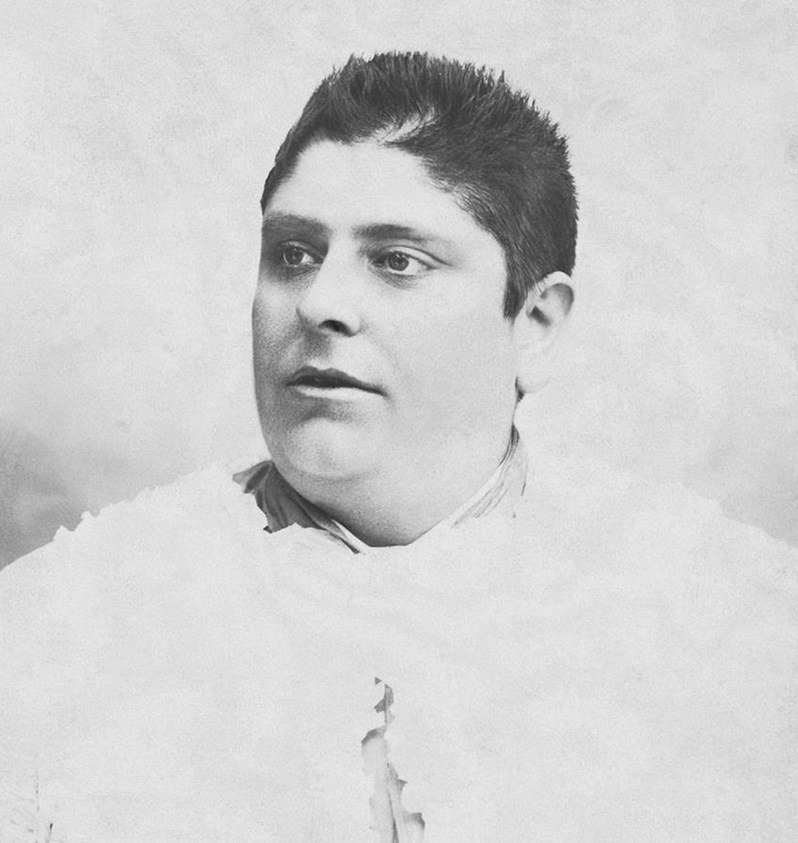
Alessandro Moreschi was the last castrato singer of the Sistine Chapel, a living connection to centuries of sacred vocal tradition. Born in 1858 Italy, Moreschi possessed the rare, otherworldly soprano voice that once defined European classical music—a sound that had captivated audiences for generations but was already vanishing by his era. His decades-long career placed him at the intersection of musical history, embodying a centuries-old art form even as the world moved decisively forward.
What makes Moreschi truly legendary isn’t just his voice, but his historic vocal recordings—rare documentation of a castrato’s sound that bridged the classical past and modern technology. These recordings remain haunting artifacts, offering a visceral glimpse into a vanished musical world. Moreschi’s life encapsulated an entire tradition’s twilight, a singular artist performing sacred music in Rome as the 20th century reshaped everything around him.
He died in 1922 from pneumonia at sixty-three, leaving behind recordings and a legacy that would fascinate musicians and historians for decades. Buried at Campo Verano in Rome, Moreschi remains history’s most documented castrato—not through sheet music or reviews, but through his own voice preserved on wax cylinders, singing across the centuries.
Cemetery Map
View larger map →Satellite overview of the cemetery grounds.