Pujie 1907 – 1994
Biography
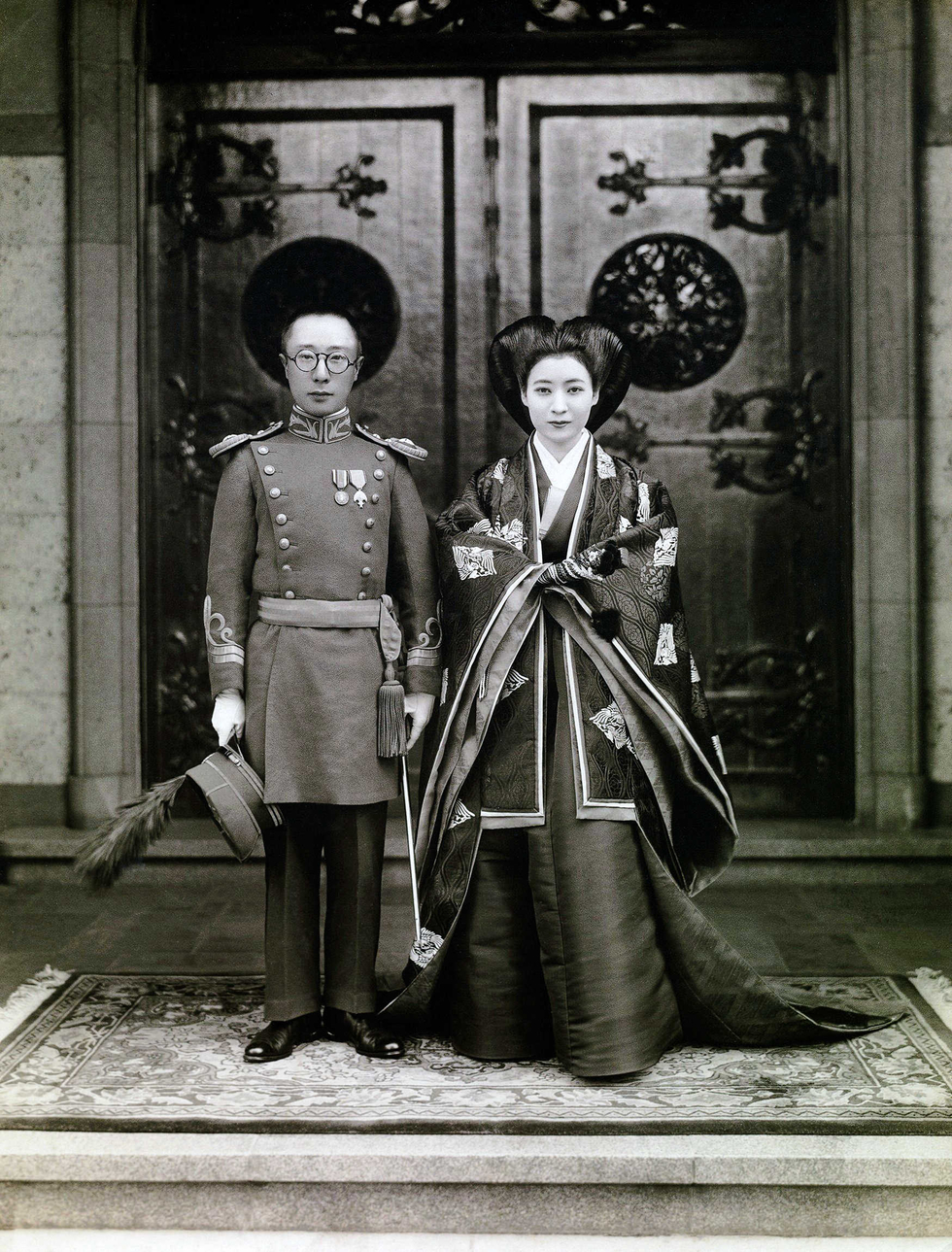
Born into the fading grandeur of imperial China, Pujie carved out an improbable life as the younger brother of Puyi, the last emperor. While his sibling became a tragic symbol of the Qing Dynasty’s collapse, Pujie navigated the treacherous politics of twentieth-century China with quieter determination, holding various government posts as the nation convulsed through revolution and transformation. His survival and adaptation—moving between the old imperial world and the new communist state—made him a living bridge across one of history’s most seismic shifts.
Unlike his more famous brother, Pujie operated in the shadows of power rather than its spotlight, yet his choices and compromises reflected the impossible choices facing the entire imperial family. He witnessed the 1911 revolution that toppled the dynasty, lived through decades of war and political upheaval, and somehow endured where so many didn’t.
When Pujie died in Beijing in 1994 at 86, his final resting place told its own story: Nakayama Shrine in Japan, a reminder that his life extended far beyond China’s borders. His legacy remains inseparable from his brother’s—a footnote to one man’s extraordinary fall, yet proof that even peripheral members of vanished dynasties could chart their own survival.
Cemetery Map
View larger map →Satellite overview of the cemetery grounds.