Safi al-Din al-Urmawi 1216 – 1294
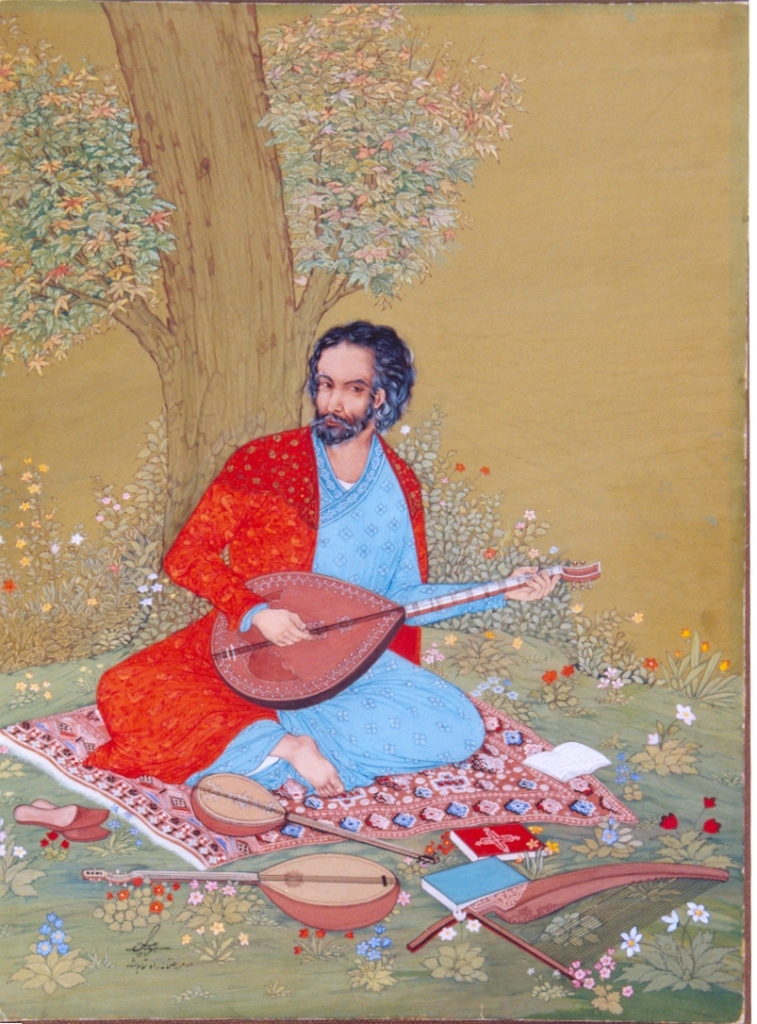
Biography
Safi al-Din al-Urmawi was born on January 1, 1216, in the city of Urmia, a region rich with cultural and intellectual tradition. Throughout his life, he became recognized as a distinguished Persian music theorist whose work would influence the development of musical understanding in the Islamic world. His career was devoted to the systematic study and documentation of music theory, contributing significantly to how musicians understood and practiced their craft.
Al-Urmawi spent much of his scholarly life engaged in the serious work of music theory, establishing frameworks and principles that helped organize and explain musical practice. His contributions reflected the sophisticated musical culture of the medieval Islamic period, where theoretical knowledge was highly valued alongside performance. He eventually made his way to Baghdad, one of the great centers of learning and culture, where he continued his intellectual pursuits.
Safi al-Din al-Urmawi died on January 1, 1294, in Baghdad at the age of seventy-eight. His life’s work in music theory left a lasting legacy within Islamic scholarship, representing the dedication of a scholar who sought to bring clarity and systematic understanding to the art of music. Though the specific details of his final years remain uncertain, his contributions to music theory ensure that his memory endures among those who study the intellectual history of the Islamic world.