Tokugawa Mitsukuni 1628 – 1701
Biography
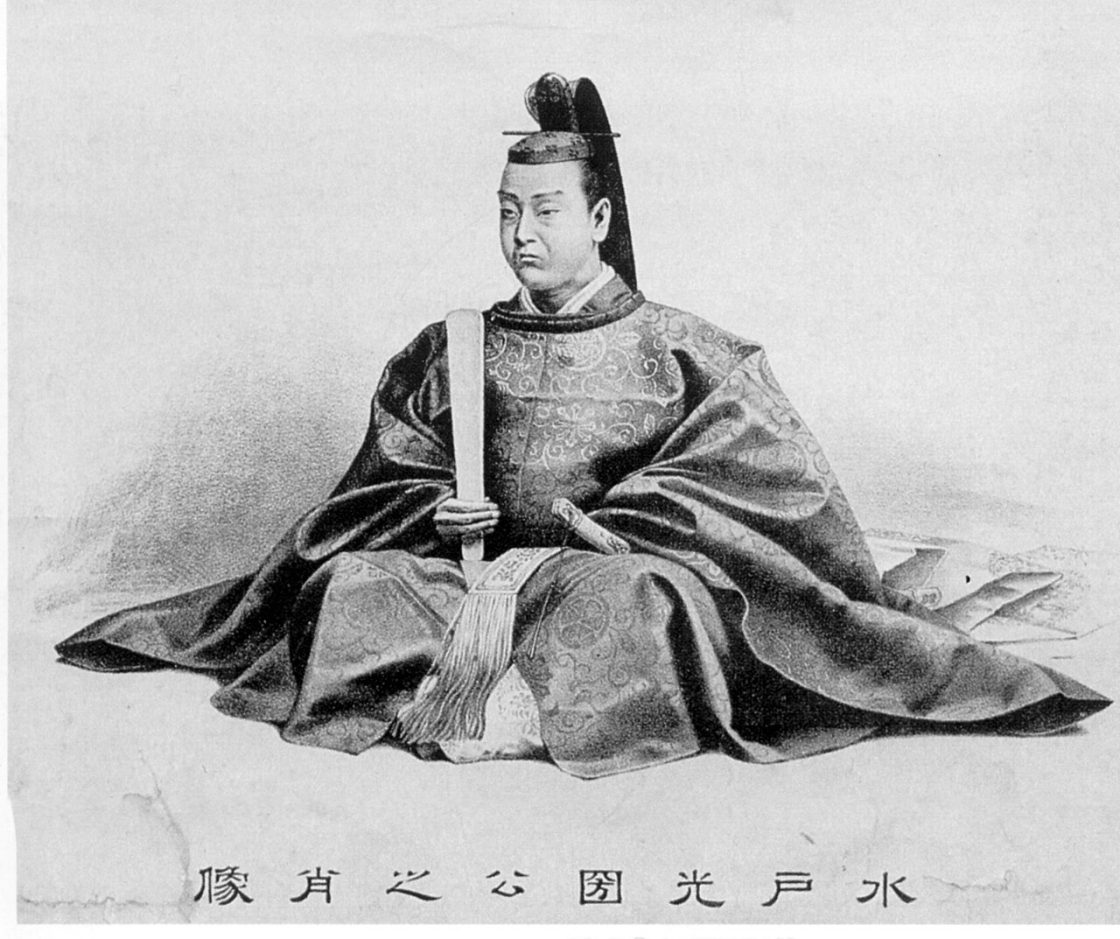
Tokugawa Mitsukuni was born on July 11, 1628, in Mito, during Japan’s early Edo period. As the second lord of Mito, he inherited a position of considerable influence and responsibility within the Tokugawa shogunate. His birth into this prominent daimyo family placed him among the nobility of his era, with significant control over territories and political affairs.
Throughout his life, Mitsukuni served as an important regional leader during a transformative period in Japanese history. The Edo period brought relative stability to the nation after centuries of conflict, and leaders like Mitsukuni played vital roles in maintaining order and governance within their domains. His tenure as lord of Mito reflected the expectations and duties placed upon members of the shogunate’s inner circle.
Tokugawa Mitsukuni died on January 14, 1701, at an advanced age, succumbing to esophageal cancer. His long life spanned most of the seventeenth century, witnessing significant developments in Japanese culture, politics, and society. Though the location of his burial remains unrecorded, his legacy as a daimyo of the early Edo period endures as part of Japan’s feudal heritage.
Cemetery Map
View larger map →Satellite overview of the cemetery grounds.