Marcus Livius Drusus -154 – -108
Biography
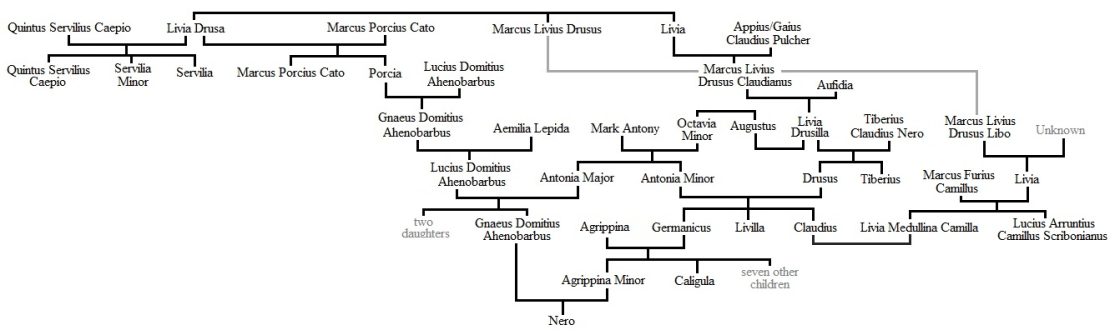
Marcus Livius Drusus lived during one of Rome’s most turbulent periods, a time when the Republic faced profound questions about power, reform, and justice. Born in 154 BCE to a family of considerable standing, Drusus would become a significant political figure whose influence shaped the debates of his era. He came of age during the height of social upheaval, when proposals for radical change threatened the traditional structures that had long governed Roman society.
Drusus is perhaps best remembered for his opposition to Gaius Gracchus, the tribune whose sweeping reforms sought to redistribute land and expand citizenship among Rome’s lower classes. While Gracchus championed the cause of the common people, Drusus represented those who feared the destabilization such changes might bring. His political career reflected the deep divisions within Rome during the second century BCE, as the Republic grappled with questions of equity, power, and institutional change.
Drusus lived a full life spanning forty-six years, witnessing firsthand the dramatic transformations and conflicts that defined his time. He died in 108 BCE in Rome, leaving behind a legacy intertwined with one of history’s most pivotal political struggles. Though the specific circumstances of his death remain unknown to history, his role in Rome’s continuing dialogue between tradition and reform endures.