Li Siyuan 867 – 933
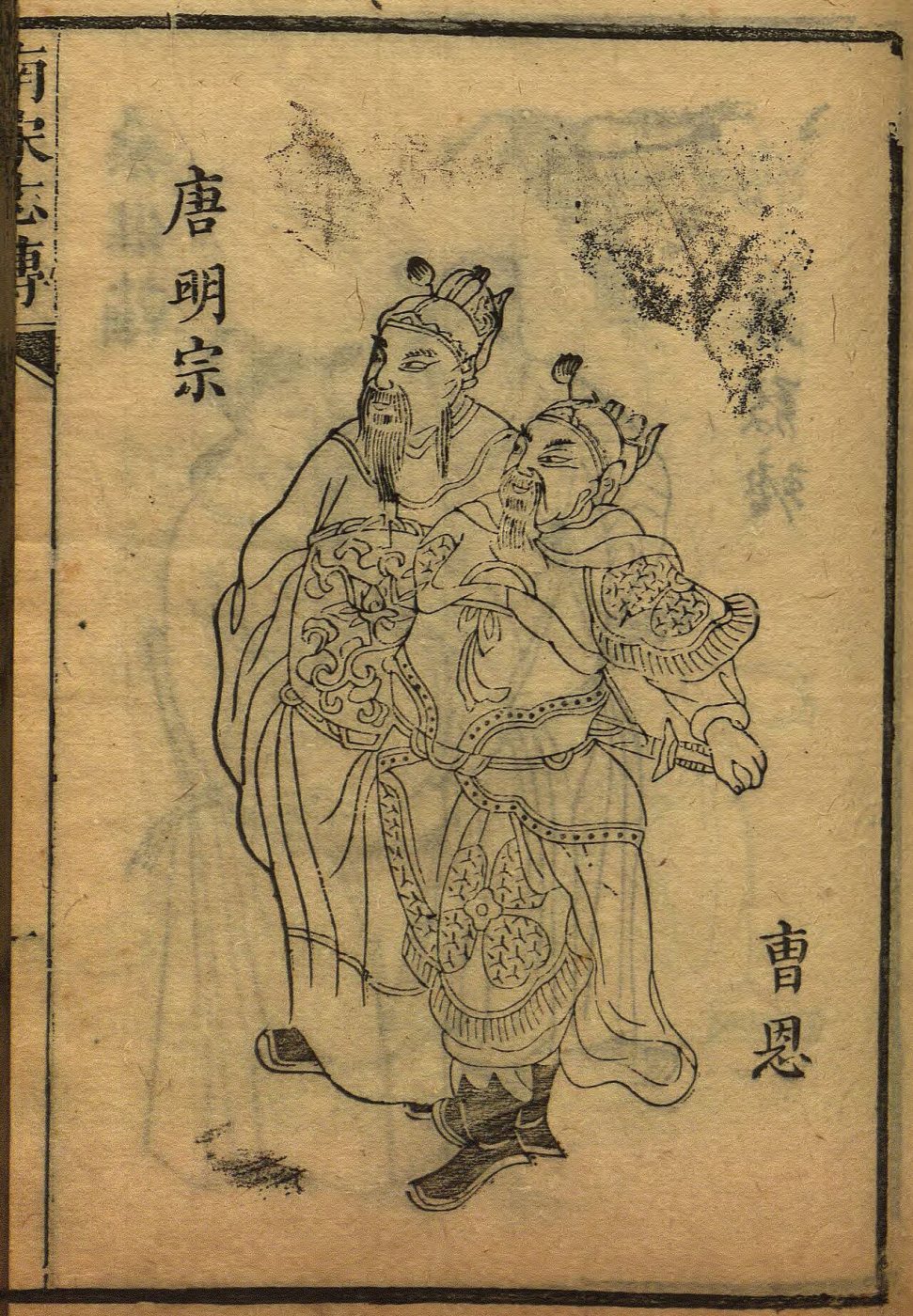
Biography
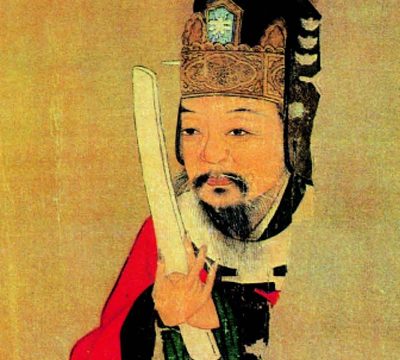
Li Siyuan was born on October 10, 867, in Yingzhou, during a transformative period in Chinese history. He would go on to become emperor of the Later Tang Dynasty, one of the Five Dynasties that emerged during China’s fragmented period following the fall of the Tang Dynasty. His rise to imperial power marked a significant chapter in the political landscape of tenth-century China.
As emperor of Later Tang, Li Siyuan navigated the complex challenges of ruling during an era marked by territorial division and dynastic competition. His reign represented an important moment in the dynasty’s history, as he worked to consolidate power and maintain stability within his realm. Though details of his specific accomplishments remain part of the historical record, his position as ruler reflected the ambitions and struggles of his time.
Li Siyuan passed away on January 1, 933, in Luoyang, the cultural heart of China. He was laid to rest in Mengjin District, near Luoyang, where his tomb stands as a testament to his place in Chinese imperial history. His life spanned sixty-five years of significant historical change, and his legacy endures as part of the complex tapestry of the Later Tang Dynasty’s reign.
Cemetery Map
View larger map →Satellite overview of the cemetery grounds.