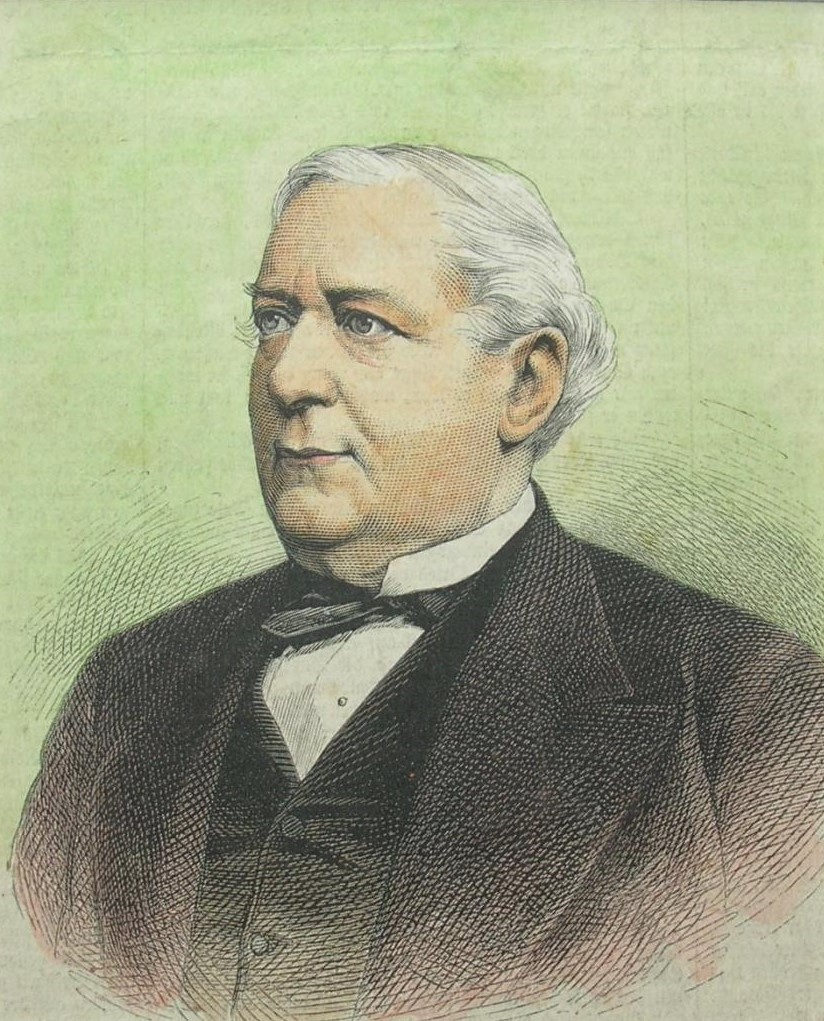
Bernhard Ernst von Bülow 1815 – 1879
Biography
Bernhard Ernst von Bülow was born on August 2, 1815, in Cismar, a time of significant political change across Northern Europe. Throughout his life, he navigated the complex landscape of Danish and German politics, serving in positions of influence during a transformative period in the region’s history. His career reflected the intricate relationships between these two nations during the nineteenth century.
Von Bülow’s work as a politician shaped policy and governance during an era marked by nationalism, industrialization, and shifting borders. He brought to his roles a perspective informed by his heritage and the multicultural nature of the territories in which he operated. His contributions to political discourse and administration left an imprint on the institutions and communities he served.
On October 20, 1879, von Bülow passed away in Frankfurt following a stroke. He left behind a legacy as a dedicated public servant whose career spanned decades of European history. Though the specific details of his final resting place remain unrecorded, his memory endures through his work in Danish and German political life. Von Bülow’s life stands as a testament to a bygone era of European statesmanship and governance.