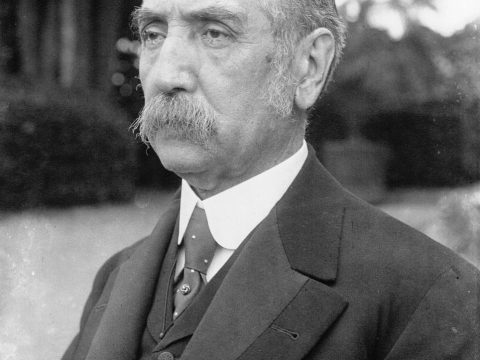
Abd al-Hafid of Morocco 1875 – 1937

Biography
Born into Morocco’s ruling dynasty in 1875, Abd al-Hafid ascended to the sultanate during one of the nation’s most turbulent periods. His reign unfolded against a backdrop of colonial pressures and internal upheaval, making him a central figure in Morocco’s early twentieth-century struggle for sovereignty. As sultan, he embodied the tensions between tradition and the forces reshaping North Africa, navigating political currents that would ultimately reshape his country’s destiny.
Abd al-Hafid’s leadership came during an era of profound transformation for Morocco. His time in power reflected the complex realities facing regional rulers caught between competing imperial interests and the demands of modernization. Though his tenure was marked by considerable challenges, his role as sultan positioned him at a crucial juncture in Moroccan history, where decisions made would ripple through generations.
The sultan spent his final years in exile in France, far from the Moroccan court where he once held sway. He died in Enghien-les-Bains in 1937, his passing marking the end of a life spent navigating the highest stakes of statecraft. Abd al-Hafid remains a significant figure in Morocco’s national memory—a leader whose reign captured the complexities of a nation in transition.