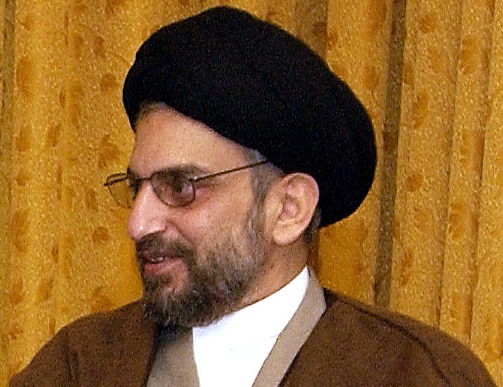
Abdul Aziz al-Hakim 1953 – 2009
Biography
Born into Najaf’s sacred soil in 1953, Abdul Aziz al-Hakim emerged as one of Iraq’s most influential political architects during the nation’s most turbulent decades. He became a commanding presence in Iraqi politics, navigating the country through transformative upheaval with unwavering commitment to public service. Al-Hakim’s political acumen earned him respect across the region, forging crucial connections with key figures and institutions that shaped Iraq’s trajectory during pivotal moments of national change.
Al-Hakim devoted himself to wrestling with Iraq’s most pressing challenges at a time when the stakes couldn’t have been higher. His work during these critical years left an indelible mark on the nation’s political landscape, establishing him as a figure whose influence extended far beyond Baghdad. He commanded attention and respect from regional powerbrokers, cementing his position as a statesman of consequence during Iraq’s most consequential period.
On August 26, 2009, al-Hakim succumbed to lung cancer in Tehran at 56, concluding a remarkable political career that defined modern Iraqi history. His death extinguished a pivotal voice in Middle Eastern affairs. Though he’s gone, al-Hakim’s imprint remains woven into Iraq’s contemporary political narrative—a legacy of dedication to his nation during its defining hours.