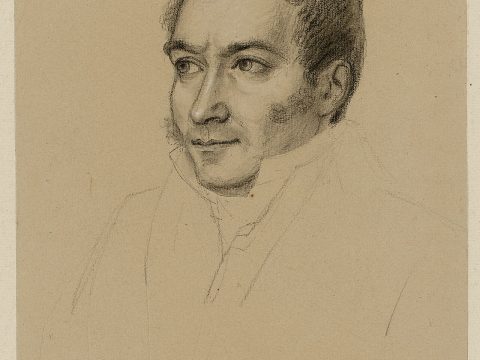
Abraham Baldwin 1754 – 1807
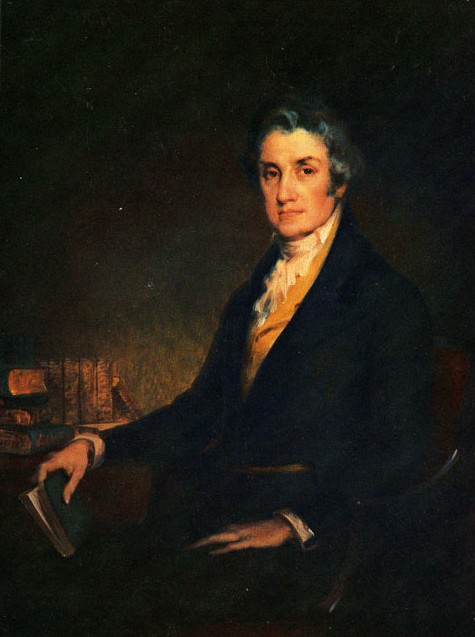
Biography
Abraham Baldwin emerged as one of the founding generation’s most influential architects of American democracy. Born in 1754 during the tumultuous prelude to revolution, Baldwin channeled the era’s ideological fervor into concrete political action, becoming a cornerstone figure in establishing the young nation’s governmental framework. His career spanned the most pivotal decades of American history—from colonial resistance through the republic’s critical early years.
As a dedicated public servant, Baldwin left an indelible mark on the institutions that would define the United States for centuries. He remained at the epicenter of power in Washington, D.C., contributing his vision and experience to the unglamorous but essential work of building functional democracy from revolutionary ideals. Baldwin’s commitment never wavered, even as the nation matured around him.
When he died in 1807, Baldwin left behind decades of service and the enduring imprint of his political philosophy woven into America’s foundational documents and institutions. His burial at Rock Creek Cemetery honored a life spent entirely in service to the republic he helped create—a fitting tribute to a man who never left the capital he helped shape.
Cemetery Map
View larger map →Satellite overview of the cemetery grounds.