Abul Kalam Azad 1888 – 1958
Biography
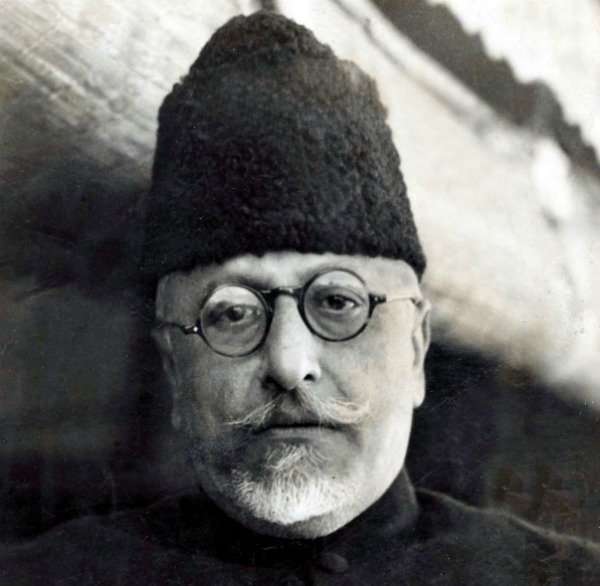
Born in Mecca in 1888, Abul Kalam Azad became one of twentieth-century India’s most formidable intellectual forces—a rare combination of scholar, writer, and fiercely principled politician. Arriving into a world ablaze with colonial upheaval, he channeled his early years in Islam’s holiest city into a lifelong mission to reshape Indian thought and governance. Azad emerged as a commanding voice in debates about India’s future, wielding his pen as deftly as his political acumen.
A prolific writer whose work bridged philosophy and practicality, Azad distinguished himself through penetrating analysis of Indian society and unflinching moral conviction. His dual mastery—equally at home in intellectual circles and political chambers—allowed him to influence both policy and the broader cultural conversation. He wasn’t content to theorize from the sidelines; Azad was a doer, a thinker who demanded action.
When Azad died in Delhi on February 22, 1958, India lost a towering figure whose seven-decade arc tracked the nation’s own transformation. His intellectual legacy endured within political and scholarly circles, a testament to a life spent wrestling with questions that still matter: how societies change, how ideas shape nations, and what it means to serve something larger than oneself.
More Images