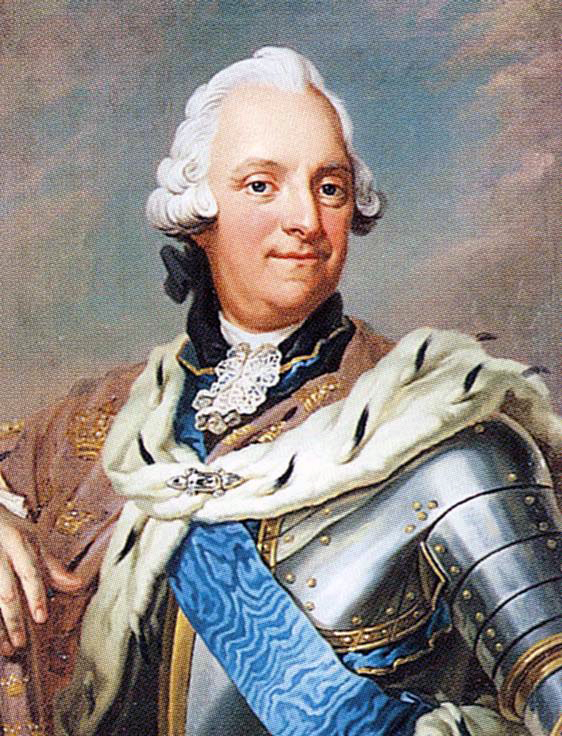
Adolf Fredrik of Sweden 1710 – 1771
Biography
Adolf Fredrik ascended to Sweden’s throne during one of Europe’s most turbulent centuries, inheriting a kingdom caught between the ambitions of rival powers. The 18th-century Swedish king became a pivotal figure navigating the treacherous politics of the Nordic region, where every diplomatic move rippled across the continent. His reign unfolded amid the sweeping transformations reshaping European monarchies—a period when a sovereign’s cunning could mean the difference between national prosperity and collapse.
Governing from 1751 until his death in 1771, Adolf Fredrik stewarded Sweden through decades of strategic complexity. He maneuvered between the great powers vying for influence while working to stabilize his realm’s internal affairs. Though often overshadowed by more flamboyant contemporaries, his tenure reflected the measured pragmatism required of lesser-known royals managing empires on history’s margins.
When Adolf Fredrik died in February 1771, Sweden laid its king to rest at the venerable Riddarholm Church in Stockholm—the traditional vault of Swedish monarchs. His two decades of quiet sovereignty left an indelible mark on a nation perpetually caught between Scandinavia’s competing interests and the continent’s grand designs.
Cemetery Map
View larger map →Satellite overview of the cemetery grounds.