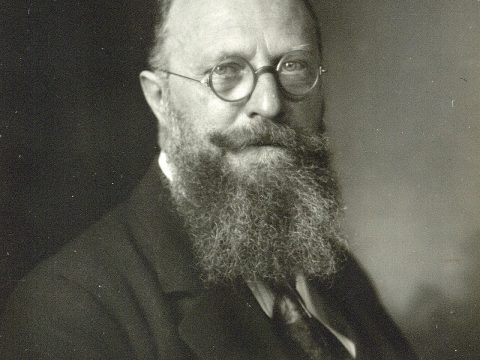
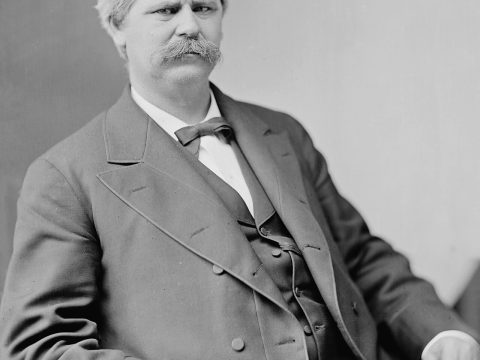
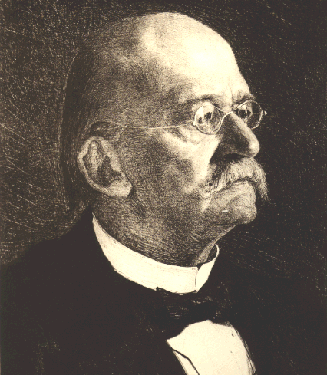
Adolph Wagner 1835 – 1917
Biography
The German economist who fundamentally reshaped how nations think about public spending and state finance, Adolph Wagner emerged as one of nineteenth-century Europe’s most consequential intellectual voices. Born in Erlangen in 1835, Wagner devoted his career to untangling the economic puzzles of his era—industrialization, government budgets, and social welfare—at a moment when Europe was being remade. His theories became essential reading for policymakers grappling with modernity.
Wagner’s prolific scholarly output helped establish economics as a serious force in public policy. He witnessed Germany’s unification firsthand and spent his final decades in Berlin, where he continued shaping economic debates until his death in 1917 at eighty-two. His work on state finance and public economics echoed through generations, influencing how governments approached their responsibilities and resources during transformative times.