Ahmad Sanjar 1084 – 1157
Biography
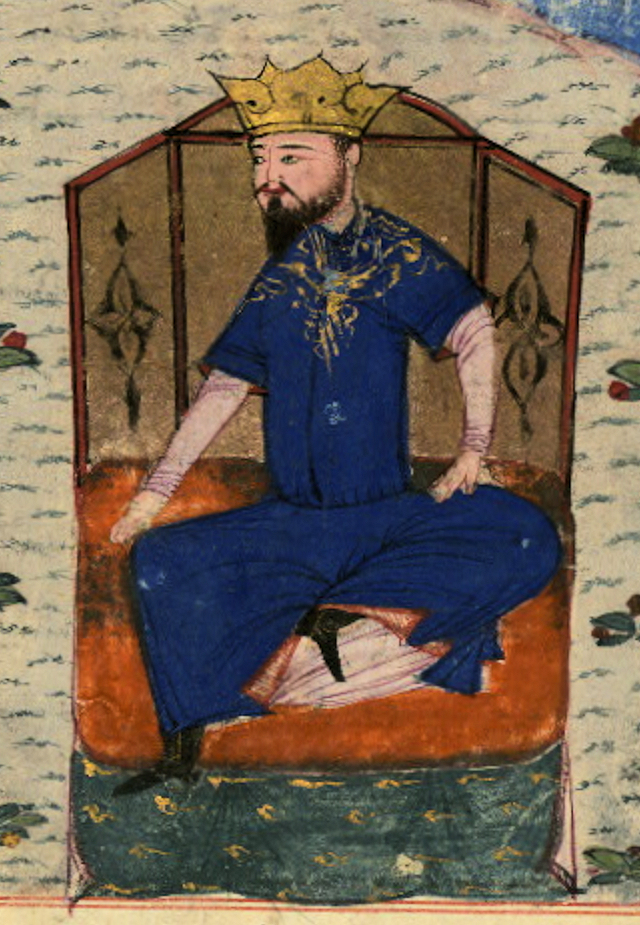
Born into the golden age of the Seljuk Empire, Ahmad Sanjar emerged as one of the Islamic world’s most consequential medieval rulers. Taking the reins during the late 11th century, this Seljuk sultan commanded an empire stretching across the Middle East and Central Asia at the height of its power and prestige. Sanjar’s reign placed him at the epicenter of an era when culture, politics, and intellectual achievement collided spectacularly across vast territories.
As sultan, Sanjar wielded the kind of influence that shaped dynasties and redirected the currents of regional power. His leadership steered through some of history’s most turbulent decades, navigating complex relationships between competing powers while maintaining control over one of Islam’s most expansive empires. He wasn’t merely a figurehead—Sanjar was an active architect of the political and cultural landscape that defined medieval Islamic civilization.
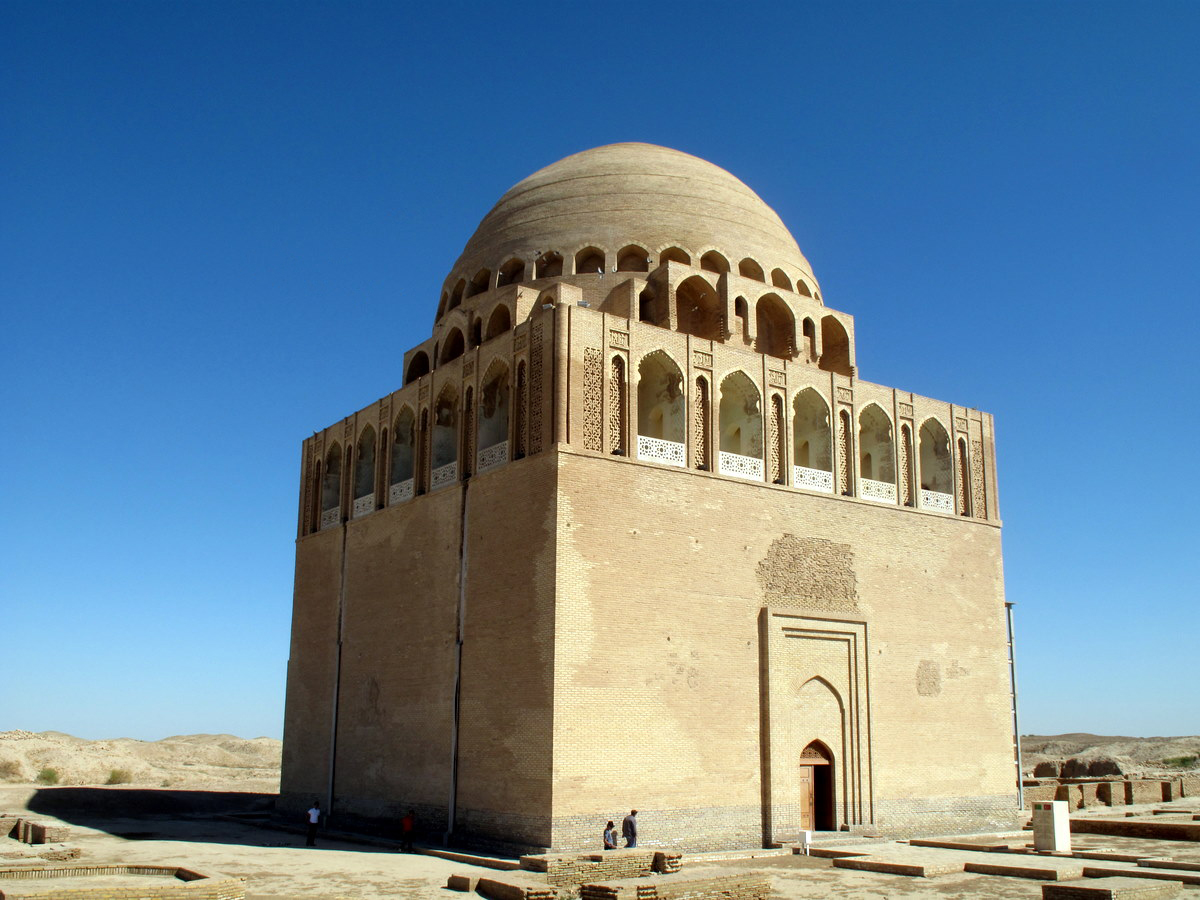
Sanjar’s seventy-three-year life ended on May 15, 1157, when dysentery claimed him in Merv. His legacy was deemed significant enough to warrant Sultan Sanjar’s Mausoleum in Turkmenistan, where his remains have rested for nearly nine centuries—a monument to a ruler whose influence echoed far beyond his era.
More Images
Cemetery Map
View larger map →Satellite overview of the cemetery grounds.