Albert II of Germany 1397 – 1439
Biography
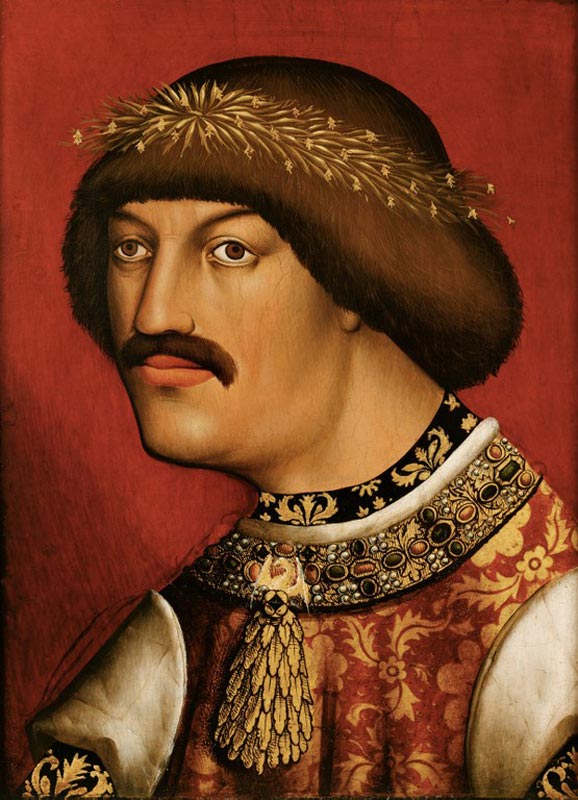
Born into Viennese royalty in 1397, Albert II became one of Central Europe’s most powerful figures, simultaneously ruling Germany, Hungary, and Bohemia during the early fifteenth century. His rise to prominence came at a pivotal moment when the Holy Roman Empire was navigating intricate dynastic politics and territorial power plays. Albert’s multi-kingdom rule made him a major player in reshaping the medieval political landscape of Central Europe.
His reign, however, proved tragically short. At just forty-two, Albert II died of dysentery in Neszmély in 1439, cutting short what should have been decades more of his influence. His death rippled across the three kingdoms he governed, leaving behind a void in leadership during a transformative era. Buried in the grand Székesfehérvár Basilica in Hungary, his legacy remained embedded in the territories and courts he had commanded—a reminder of a ruler whose potential was cut devastatingly short.
Cemetery Map
View larger map →Satellite overview of the cemetery grounds.