Alberto Nepomuceno 1864 – 1920
Biography
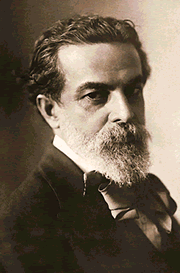
Alberto Nepomuceno was born on July 6, 1864, in Fortaleza, Brazil, during a transformative period for the nation’s cultural development. He devoted his life to music as both a composer and conductor, contributing significantly to the evolution of Brazilian musical traditions during the late nineteenth and early twentieth centuries. His work bridged traditional influences with emerging artistic movements of his era.
Throughout his career, Nepomuceno established himself as a prominent figure in Rio de Janeiro’s musical life, where he eventually made his home. His dual roles as composer and conductor allowed him to shape the musical landscape of Brazil during a crucial period of national identity formation. He remained active in these pursuits until his death on October 16, 1920, in Rio de Janeiro, leaving behind a legacy rooted in his dedication to the art form.
Nepomuceno’s contributions to Brazilian music reflected the artistic aspirations of his generation, a time when composers were seeking to develop distinct national musical voices. Though specific details of his final years remain limited in historical record, his commitment to both creating and interpreting music left an enduring mark on Brazil’s cultural heritage.