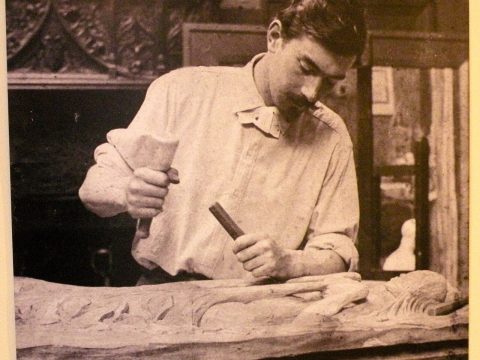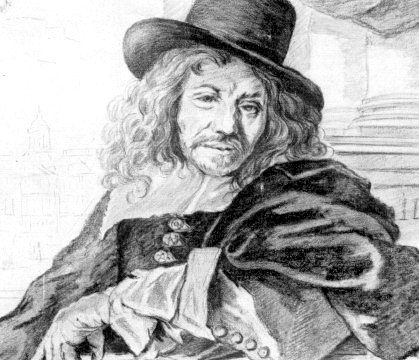
Aleijadinho 1730 – 1814
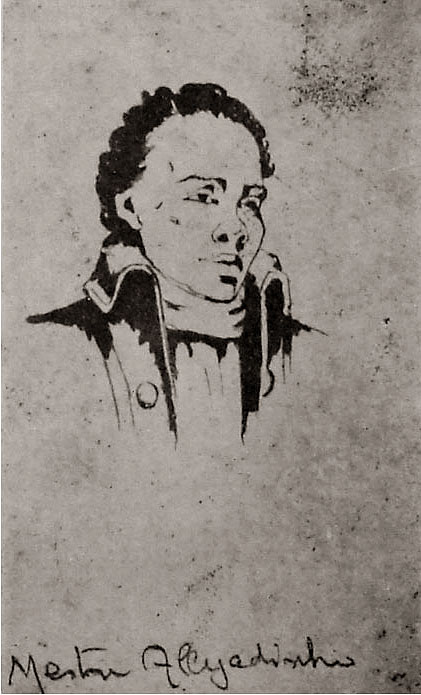
Biography
Antônio Francisco Lisboa, known as Aleijadinho, became Colonial Brazil’s most celebrated Baroque sculptor—a visionary artist whose religious works and architectural designs transformed Minas Gerais into a showcase of spiritual beauty. Born in 1730 in a mining town, he rose to prominence by blending Portuguese tradition with a distinctly Brazilian sensibility, creating masterpieces of rare emotional depth that defined an entire artistic era.
What made Aleijadinho unforgettable wasn’t just his extraordinary talent—it was his refusal to surrender to catastrophe. Leprosy ravaged his body in his later years, progressively robbing him of physical mobility. Rather than fade into obscurity, he adapted, innovated, and kept carving with sheer determination. Working through unbearable limitation, he proved that creative vision transcends the body’s betrayals.
Aleijadinho died in Ouro Preto in 1814 at eighty-four, leaving behind a legacy that endures as one of art history’s most powerful testaments to human resilience. His sculptures still speak across centuries, reminding us that the greatest masterpieces sometimes emerge from the deepest suffering.