Aleksandra Ekster 1882 – 1949
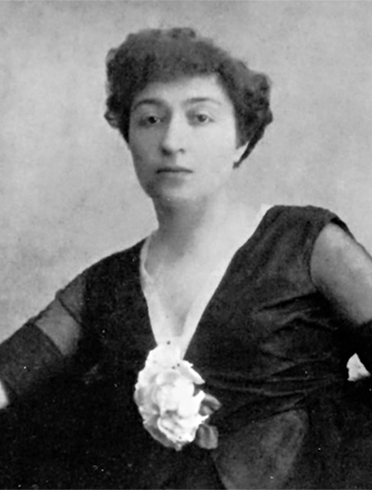
Biography
A visionary who electrified twentieth-century art by collapsing boundaries between painting and theater, Aleksandra Ekster emerged from Białystok in 1882 with a radical vision. Her explosive use of color and geometric abstraction made her a lightning rod in European modernism—she didn’t just paint, she architected entire visual worlds. Her theatrical designs became legendary, transforming stage productions into kinetic manifestos that anticipated avant-garde movements yet to come.
Ekster’s career was a masterclass in relentless innovation across mediums. She worked with fearless intensity on canvas, in costume design, and in set decoration, each discipline enriching the others with her singular aesthetic language. Her meticulous command of form and chromatic intensity influenced generations of artists who recognized her as a towering creative force reshaping what visual art could be.
Settling in Fontenay-aux-Roses, France, Ekster never stopped creating, cementing herself as both a Ukrainian and French cultural icon whose legacy would ripple through modern art history. She died in 1949, leaving behind a transformative body of work that proved one artist’s fearless vision could fundamentally alter how the world saw color, form, and theatrical possibility.