Alexander Keyserling 1815 – 1891
Biography
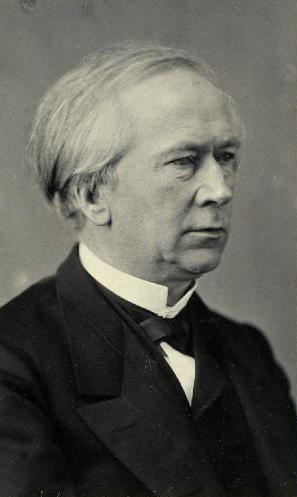
Alexander Keyserling was born on August 27, 1815, at Kabile Manor, entering a world of scientific inquiry that would define his remarkable life. As a Baltic German scholar, he belonged to a cultural tradition renowned for intellectual achievement and rigorous study. His formative years in the Baltic region provided him with access to the natural world and the educational resources that would nurture his scientific interests.
Throughout his career, Keyserling devoted himself to scientific pursuits, contributing to the intellectual life of his era. His work reflected the spirit of nineteenth-century scientific advancement, a period of tremendous discovery and methodological innovation across Europe. As a member of the Baltic German community, he participated in a legacy of learned tradition that valued careful observation and scholarly rigor.
Keyserling spent his later years at Raikküla manor, where he remained engaged in his scientific endeavors until his death on May 20, 1891. His long life—spanning more than seven decades—allowed him to witness and participate in the dramatic scientific changes of the nineteenth century. Though the specific details of his scientific contributions remain part of the historical record, his dedication to knowledge and learning left an imprint on the intellectual heritage of the Baltic region.