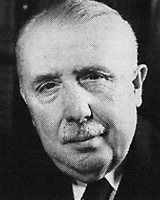
Alexander Todd 1907 – 1997
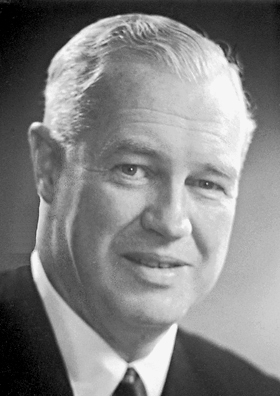
Biography
This Glasgow-born biochemist didn’t just study molecules—he cracked their secrets wide open. Alexander Todd’s groundbreaking research into biochemical processes revolutionized how scientists understood life at the molecular level, earning him the Nobel Prize and cementing his place among the twentieth century’s most consequential minds in his field.
Based in Cambridge for much of his storied career, Todd became the gold standard for British scientific excellence, mentoring generations of researchers who would carry his rigorous methods forward. His work wasn’t confined to dusty journals; it shaped the very foundation of modern biochemistry, influencing how scientists approach fundamental questions about how living systems work.
From his 1907 birth in Scotland through nearly nine decades of active inquiry, Todd embodied the intellectual rigor and curiosity that defined great twentieth-century science. When he died in Cambridge in 1997 at 89, he left behind discoveries that continue to guide biochemists today—a towering legacy built on precision, dedication, and an insatiable drive to unlock nature’s molecular mysteries.