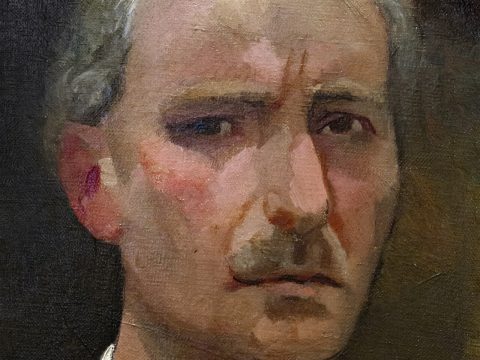
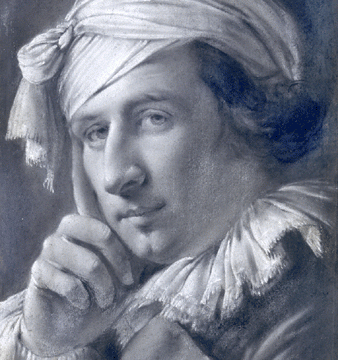
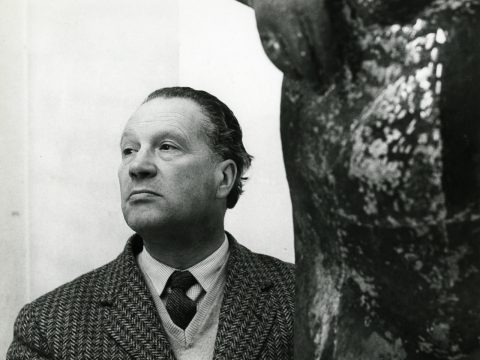
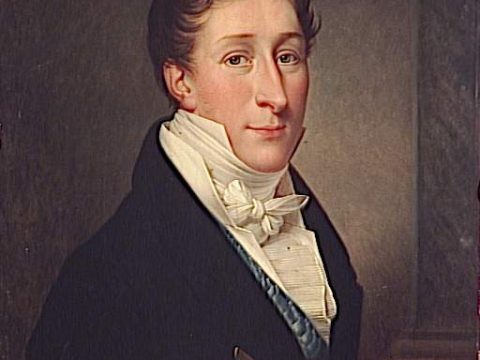
Alexandre Benois 1870 – 1960
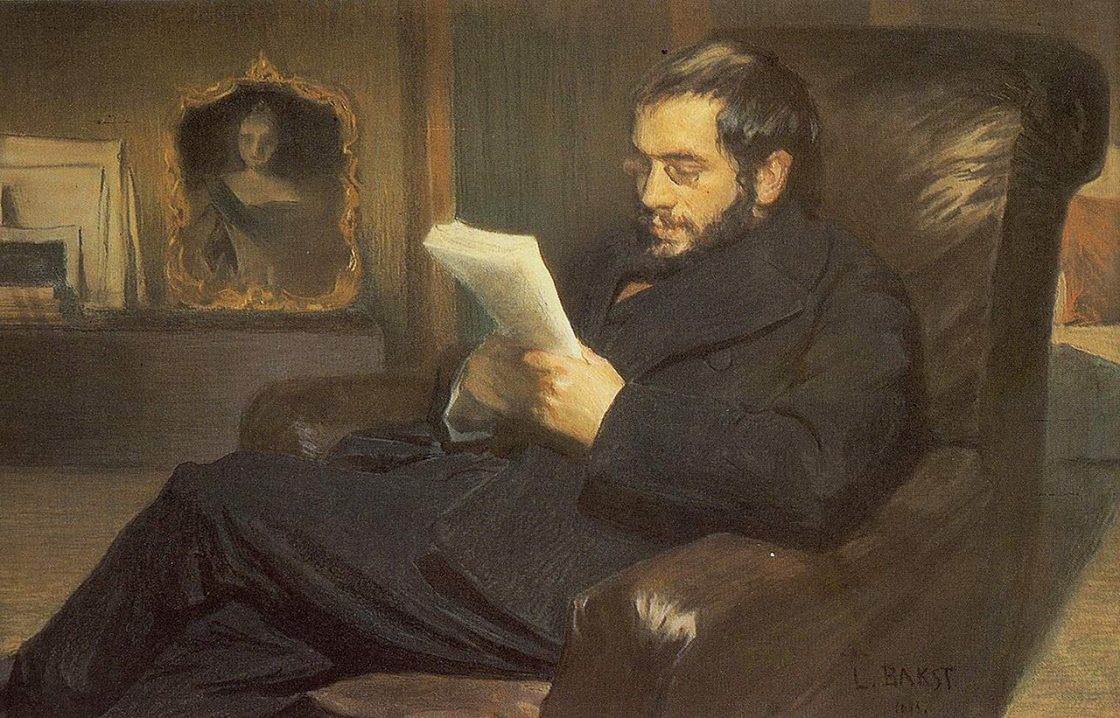
Biography
Alexandre Benois emerged as a defining force in Russian visual culture, channeling the artistic fervor of fin-de-siècle Saint Petersburg into a career that would span nearly a century. Born into the capital’s golden age of creative innovation in 1870, he absorbed the intellectual electricity of Russia’s cultural heart, developing a vision that would influence generations of artists across Europe. His keen eye and restless creativity made him instrumental in shaping the visual language of his era.
Benois didn’t merely observe the transformations sweeping through art and society—he actively shaped them, establishing himself as a commanding presence in Russian artistic circles. His work became synonymous with the spirit of innovation that defined the period, bridging Russian tradition with European modernism through his multifaceted practice and vision.
In his final decades, Benois transplanted himself to Paris, continuing to engage with Europe’s thriving art scene well into his nineties. His nearly ninety-year life became a living archive of artistic evolution, from Imperial Russia through the radical upheavals of the twentieth century. When he died in 1960 and was laid to rest at Batignolles Cemetery, he left behind a legacy as one of the era’s most consequential visual artists—a figure whose influence extended far beyond canvas and into the very fabric of European cultural memory.
Cemetery Map
View larger map →Satellite overview of the cemetery grounds.