Allan Hume 1829 – 1912
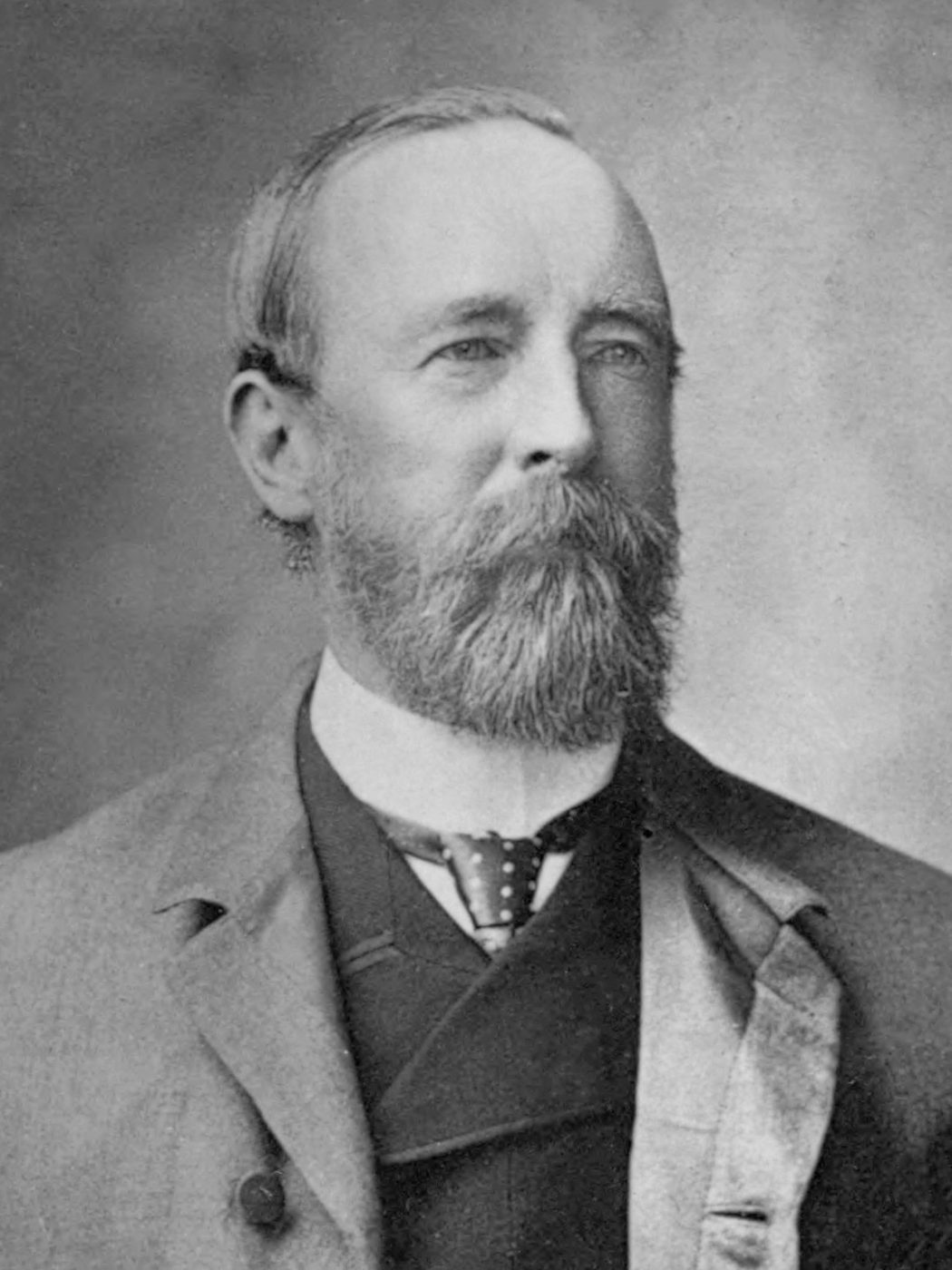
Biography
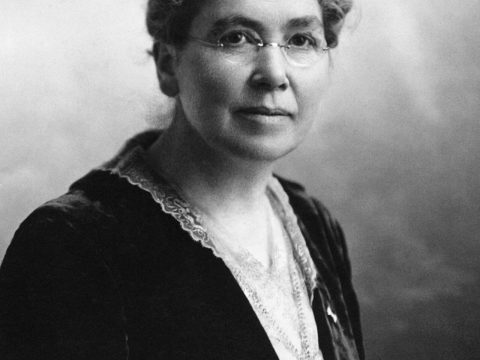
A Victorian polymath who refused to stay in one lane, Allan Hume became a force in both ornithology and Indian politics—a rare combination that shaped his era on two continents. Born in London in 1829, Hume’s keen eye for detail made him a respected naturalist whose work on avian species advanced scientific understanding across the British Empire. But his restless intellect wouldn’t let him rest in the laboratory.
What truly set Hume apart was his audacious leap into political activism. He co-founded the Indian National Congress, an organization that became the beating heart of India’s independence movement and proved far more influential than any bird study could ever be. Here was a British scientist channeling his analytical mind toward dismantling the very colonial system he inhabited—a radical act of conscience that earned him respect from Indian reformers and suspicion back home.
Hume’s eighty-three-year life embodied nineteenth-century idealism at its most ambitious: equal parts scientific curiosity and social conviction. When he died in 1912, he left behind both meticulously documented species and a political legacy that would echo through decades of Indian history. Few can claim such dual impact.
More Images
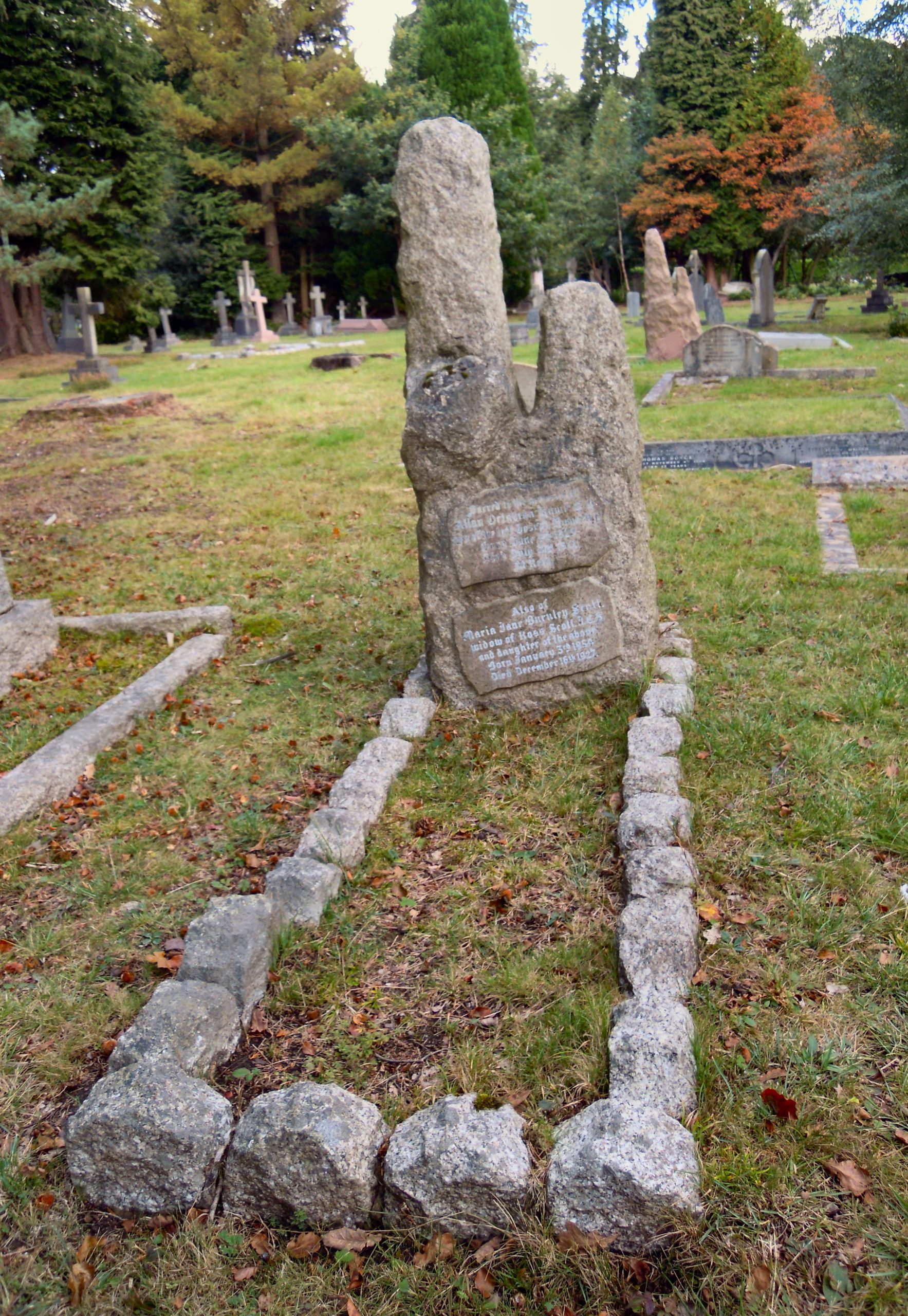
Cemetery Map
View larger map →Satellite overview of the cemetery grounds.