Andrew I of Hungary 1015 – 1060
Biography
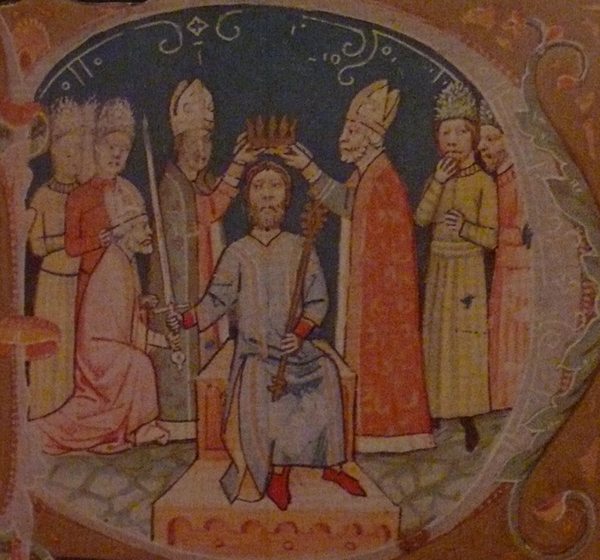
Andrew I transformed Hungary into a formidable medieval power, ruling with a steady hand through one of Central Europe’s most turbulent centuries. Rising to the throne in the eleventh century, this king navigated the treacherous politics of early medieval Europe, working to cement Hungary’s influence among rival kingdoms and strengthen its position on the continental stage. His reign became a defining period in Hungarian history—a time when the kingdom solidified its identity and secured its place in European affairs.
On January 1, 1060, tragedy struck on what should have been Andrew’s forty-fifth birthday. A fatal fall from his horse in Zirc ended his reign abruptly, leaving Hungary to grapple with succession at a precarious moment. The sudden loss sent shockwaves through the kingdom and marked a watershed in its political trajectory.
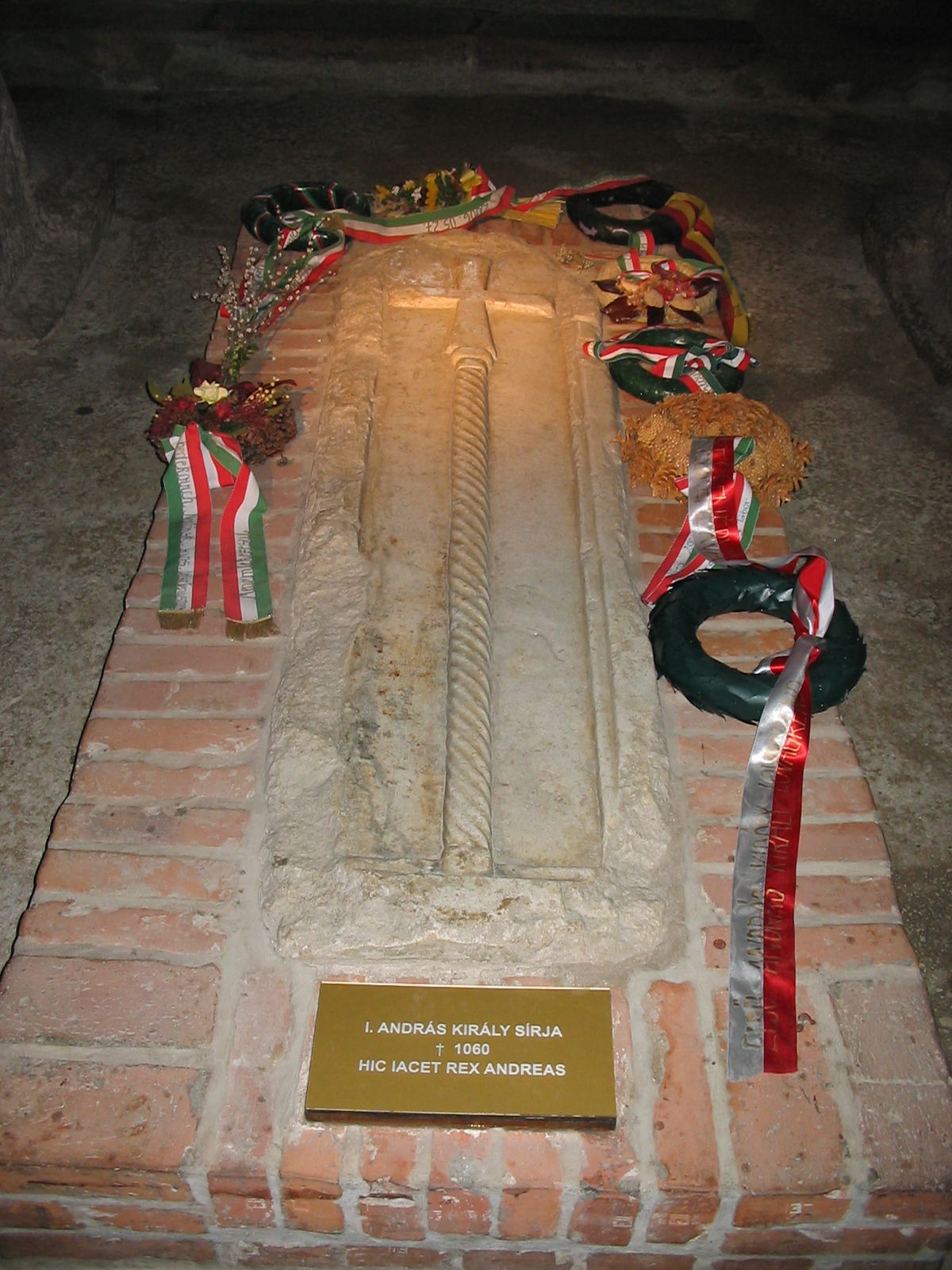
Andrew I was interred at Tihany Abbey, a sacred burial ground befitting a ruler of his stature. His resting place became part of Hungarian spiritual heritage, cementing his legacy in stone and memory long after his unexpected death.
More Images
Cemetery Map
View larger map →Satellite overview of the cemetery grounds.