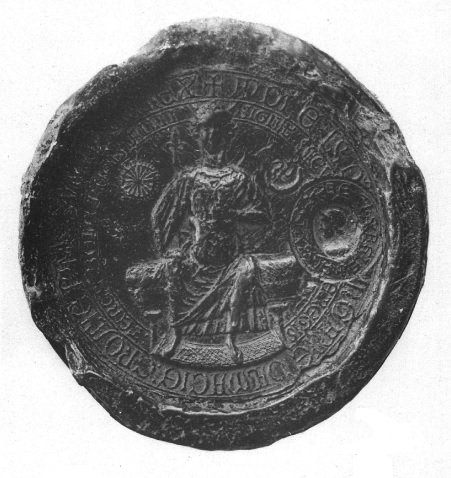
Andrew II of Hungary 1175 – 1235
Biography
Andrew II claimed the Hungarian throne during one of Europe’s most turbulent medieval periods, cementing himself as a transformative force in Central European politics. Born in 1175, he inherited a kingdom caught between competing empires and spent his six-decade reign navigating treacherous diplomatic waters while expanding royal authority. His decisions rippled across the region, shaping how power flowed through Hungary for generations.
Beyond court intrigue, Andrew II left an indelible mark through his role in the Crusades and his attempts to modernize governance during an era when most monarchs simply wielded inherited power. He died in Buda in 1235, having witnessed tremendous change sweep across medieval Europe. His final resting place in Székesfehérvár—the ceremonial heart of Hungarian kingship—underscored the reverence reserved for his reign.
Andrew II’s sixty-year life spanned a pivotal chapter in Hungarian history, one where medieval tradition collided with emerging political complexity. Though many specifics of his legacy have faded with centuries, his influence on the kingdom’s trajectory remains an important thread in the broader tapestry of Central European medieval power.
Cemetery Map
View larger map →Satellite overview of the cemetery grounds.