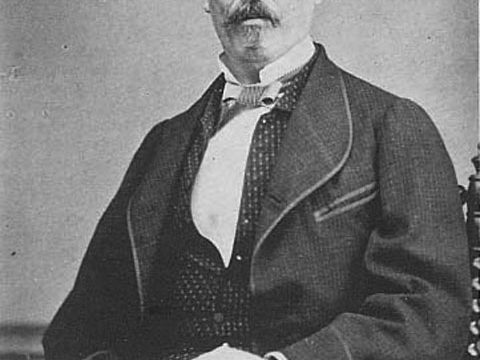
Antonio Fogazzaro 1842 – 1911

Biography
Antonio Fogazzaro emerged as one of nineteenth-century Italy’s most influential literary voices, crafting novels that wrestled with faith, identity, and social transformation during a nation in flux. Born in Vicenza in 1842, he drew inspiration from the Veneto landscape and the seismic cultural shifts reshaping the Italian peninsula. His decades-long career positioned him at the heart of Italian intellectual life, where he grappled with the spiritual and social questions defining his era.
Fogazzaro’s work captured the anxieties and aspirations of his generation, establishing him as a significant force in Italian letters. His engagement with both the metaphysical and material worlds resonated deeply with readers and critics alike, cementing his reputation as a writer of considerable substance and vision. He remained rooted in Vicenza throughout his life, the city serving as both sanctuary and creative wellspring.
When he died there in March 1911 at nearly sixty-nine, Fogazzaro left behind a literary legacy that reflected a lifetime devoted to exploring the complexity of human experience. His voice continues to echo through Italian culture as a testament to the power of literature to address timeless questions of belief, belonging, and progress.